Why Stacking Recovery Methods Beats One Size Fits All
Recovery isn’t just an afterthought anymore it’s a strategy. Athletes are no longer relying on a single technique like stretching or cold plunges and calling it a day. In 2026, recovery is layered built like a training program, with intention and precision.
This idea of “stacking” means combining different recovery methods that hit multiple systems at once: muscle tissue, the nervous system, sleep cycles, hydration balance. Think warm down mobility, followed by contrast therapy, layered with HRV based breathwork and protein timing. When these work together, the benefits compound. You recover faster and show up stronger the next day.
And it’s not random. Pro athletes are dialing in stacks based on the intensity of their sessions, the type of sport, and what their biometric data shows. A powerlifter’s recovery stack is different from a marathoner’s. Male vs. female stacks vary. Even how you slept last night might change today’s recovery approach. The one size fits all model is out. Customization, backed by data, is the edge now.
Core Recovery Stack: What Every Athlete Starts With
Before exploring high tech recovery or sport specific stacking, there’s a foundational toolset every athlete should master. These core elements aren’t flashy but they’re evidence backed and critical for building lasting recovery momentum.
Sleep Optimization: The Non Negotiable Baseline
Athletes can’t afford to overlook sleep. It’s the ultimate performance enhancer and recovery catalyst. In 2026, more pros are treating sleep not as downtime, but as an intentional part of their training plan.
Aim for 7 9 quality hours, with consistent sleep wake cycles
Track deep sleep and REM with wearables to optimize recovery windows
Use wind down routines: low light, meditation, or screen limits before bed
Nutritional Recovery: Syncing Fuel with Function
How you refuel post workout directly impacts tissue repair, inflammation, and energy levels.
Timing matters: prioritize protein and carbs within 30 60 minutes post exercise
Macro balance: align protein (muscle repair), carbs (glycogen replenishment), and fats (hormonal balance)
Hydration syncing: replace fluids lost in training, and monitor electrolytes, not just water intake
Mobility Work: Restore Range, Prevent Injury
Mobility isn’t just prehab it’s active recovery. Integrating it regularly enhances movement quality and reduces fatigue related injury risk.
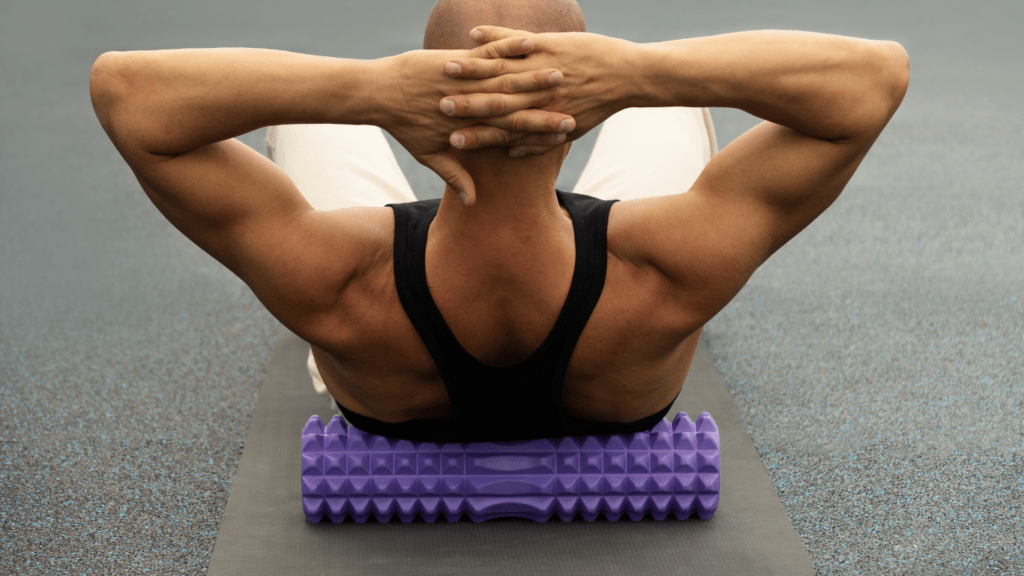
Foam rolling: targets fascia and relieves tight muscle groups
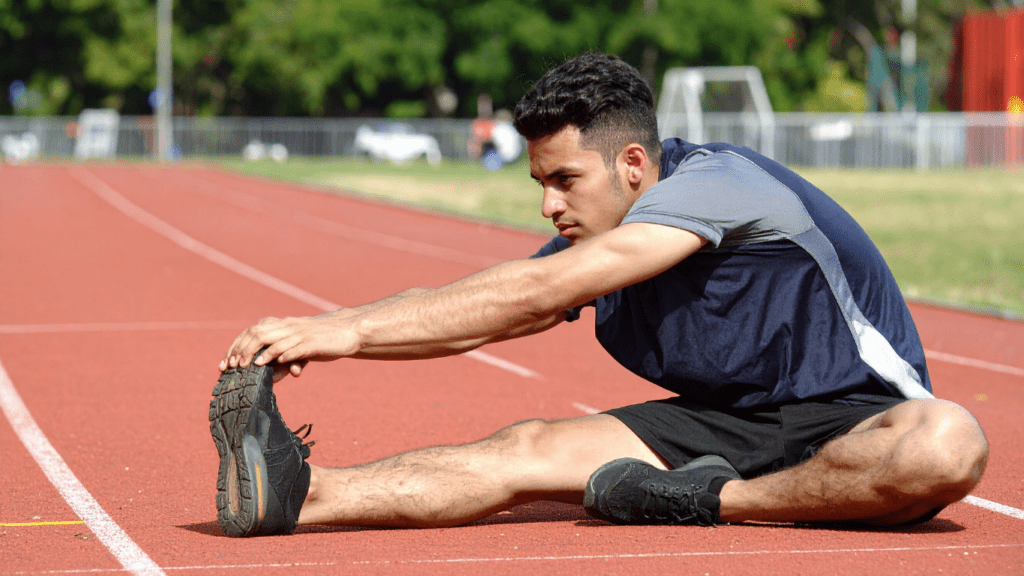
Dynamic stretching: boosts circulation and joint readiness without static over lengthening
Balance drills: improve proprioception and engage stabilizer muscles
Why the Basics Work
These core recovery methods work synergistically it’s not one or the other. When optimized together:
Sleep enhances nutrient assimilation and muscle repair
Nutrition fuels the tissue regeneration that mobility work supports
Effective mobility reduces soreness, making both training and sleep better
Starting here ensures that advanced tools later in the stack actually deliver better results. Without this baseline, even the best tech and treatments will fall short.
Advanced Techniques Gaining Traction in 2026
Cold/heat contrast therapy is no longer reserved for elite training rooms it’s mainstream now, because it works. Shifting between hot and cold states boosts circulation, flushes waste products, and signals tissue repair. Great post intensity or during deload weeks. Red light therapy targets deeper recovery layers. It’s about cell regeneration, not just comfort. Athletes use it pre and post session for joint health, inflammation reduction, and energy recovery. Timing matters: cold immersion right after training, red light best for restoration periods or sleep wind down routines.
Then there’s muscle flushing. Compression sleeves are the entry level recovery aid. They boost venous return, reduce soreness, and you can wear them anywhere. Pneumatic boots, though, take it up a notch sequential compression patterns mimic natural circulation and accelerate lactate clearance. The data leans in their favor for long format recovery, especially after high volume leg work.
On the nervous system front, breathwork and HRV tracking are the silent game changers. Guided breath sessions reset vagal tone and help shift athletes into parasympathetic dominance aka, rest mode. Meanwhile, HRV tracking gives real time feedback on recovery readiness. Together, they give athletes more control over stress regulation and recovery pacing.
Explore more cutting edge methods at athlete recovery hacks.
Tech Enabled Recovery Stacks
In 2026, technology isn’t just supporting athletic recovery it’s transforming how athletes approach it. From wearables to AI powered insights, tech has become essential in helping athletes recover faster and smarter.
The New Must Haves: Trackers, Apps, and Wearables
No more guesswork. Real time data is now central to personalized recovery plans.
Key tools gaining popularity include:
Advanced sleep trackers that go beyond hours slept to analyze sleep stages and recovery quality
Wearable devices that monitor heart rate variability (HRV), body temperature shifts, and stress indicators
Recovery specific apps that suggest protocols based on fatigue, training load, and biological rhythms
These technologies allow athletes to make informed decisions and easily adjust their routines day to day.
AI Guided Rest Protocols
Artificial intelligence is stepping in as a digital recovery coach. By analyzing biometric data, AI systems can:
Customize rest days and activity modifiers
Adjust cold/heat therapy timing based on nervous system feedback
Provide real time suggestions for optimizing sleep and recovery duration
What was once possible only in elite training centers is now accessible to at home athletes through smart platforms.
Portable Recovery Gadgets: Innovation or Just Hype?
The market is flooded with portable recovery tools but not all are created equal. The standout innovations:
Percussion devices that reduce muscular stiffness when used properly within recovery protocols
Compact pneumatic compression systems that replicate pro level muscle flushing without needing a clinic
Mobile red light therapy panels offering recovery benefits when applied consistently
While some devices are gimmicky, others show measurable benefits especially when stacked alongside proven methods like good sleep and mobility work.
Final Take: Tech Is a Tool, Not a Shortcut
When integrated intentionally into a broader recovery strategy, tech enabled tools can accelerate healing and support long term performance. But technology without foundational recovery habits is just noise.
Athletes leading the field in 2026 are using data to fine tune not replace the essentials.
Customization is the Secret Weapon
Recovery isn’t plug and play. What works for a 22 year old sprinter won’t cut it for a 39 year old triathlete. Elite athletes are dialing in protocols based on age, gender, and sport demands because not all bodies bounce back the same way. A female soccer player in season may prioritize hormone sensitive sleep timing and joint specific mobility work. A veteran UFC fighter might lean harder on active recovery, deep tissue massage, and guided breathwork to manage cumulative wear and tear.
Even daily routines are getting smarter. With tech tracking HRV, sleep quality, and resting heart rate, athletes are adjusting their stacks in real time. More red light if they’re underslept. Less intensity if HRV tanks. It’s not guesswork anymore it’s data driven recovery on the fly.
Top tier pros now approach recovery the same way they do nutrition: personalized, daily, and non negotiable. Just like you wouldn’t eat the same macros every day no matter your output, recovery plans are being recalibrated constantly to meet demand. That’s where gains are made or lost.
(Related read: athlete recovery hacks)
The Future: Where Recovery is Heading
The next phase of athletic recovery isn’t guesswork it’s data led. Predictive recovery plans are emerging, powered by biometric trends picked up from wearables, performance metrics, and even genetic profiles. Instead of reacting to soreness or fatigue, athletes are proactively adjusting sleep, nutrition, and mobility before performance dips. Recovery becomes a moving target that adjusts real time.
That’s where full cycle performance ecosystems come in. We’re talking about tightly integrated setups where training load, fueling, recovery protocols, and even mental fatigue are tracked and synced. One platform, multiple data streams, everything informing everything else. Stress loading in training? Recovery and nutrition auto adjust. Sleep not deep enough? Tomorrow’s session gets recalibrated. This isn’t futuristic it’s already in beta with elite teams.
The point is clear: recovery stacking isn’t about doing more, it’s about doing it smarter. Integrated systems mean faster adaptions, fewer injuries, and longer careers. For serious athletes, that’s the real competitive edge.