

Why Mental Clarity Feels So Elusive
Modern life is loud. Phones ping. Tabs multiply. Notifications pile up. Even when the screen’s dark, our minds keep scrolling. This constant digital friction floods our brains with tasks, alerts, and conversations that feel urgent but rarely are. It grinds down focus and makes it hard to finish thoughts, let alone think clearly.
The human brain isn’t wired for this kind of nonstop input. It likes resolution. So when a thought doesn’t get closure an unanswered email, a half finished to do, a vague worry it loops. Again and again. That’s why you may feel physically tired but mentally restless; your brain is reprocessing unresolved mental clutter.
This is where journaling cuts through. Simple, unfiltered writing helps break the loop. By dumping thoughts onto paper (or screen), you give them form. Structure. An endpoint. The mind can finally let go, if only for a moment. It’s not magic it’s just you giving your thoughts fewer places to hide.
How Journaling Clears the Fog
There’s a kind of pressure that builds when your thoughts stay bottled up. Journaling cracks the valve. Putting words on a page gets them out of your head and into the open where they feel smaller, less tangled, more manageable. It’s not about writing pretty. It’s about unloading the mental noise so you can breathe.
That pause between what you feel and how you react? Journaling makes that pause bigger. You start to see what’s stirring underneath the surface fear, frustration, doubt and that awareness buys you space. Instead of reacting on impulse, you respond with clarity. That’s powerful.
The page also exposes your patterns. Same anxiety loop, same story you’ve been telling yourself? When it shows up in black and white, it’s harder to ignore. Over time, journaling helps you spot the sticking points your “usual suspects” so you can work through them instead of recycling them.
One way to ground yourself in this process is through free writing. Set a timer for five or ten minutes and just go. No filter, no judgment. Or use prompts that pull focus: “What am I avoiding right now?” or “What keeps looping in my head today and why?” These small habits can act like mental defragging: clear the clutter, stabilize the system, and make room for better thinking.
Simple Journaling Techniques That Deliver Results
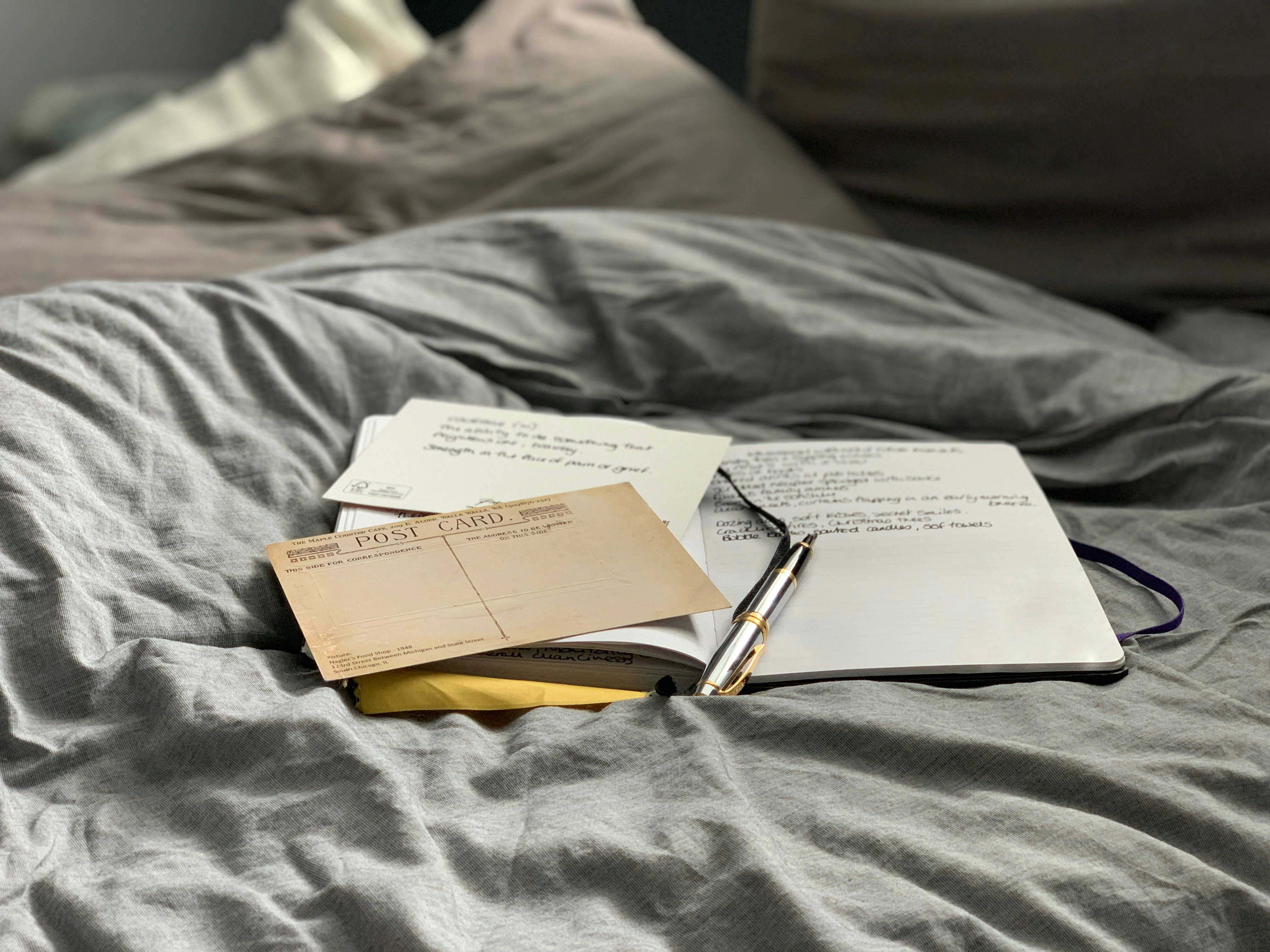
While journaling can be deeply personal, a few simple techniques have proven to be consistently powerful for gaining mental clarity. Whether you’re writing to process emotions or just to clear your head, starting with structure can help.
Stream of Consciousness Writing
Sometimes the best way to declutter the mind is to let it all pour out without filters or edits.
Write continuously for 5 10 minutes
Don’t worry about spelling, grammar, or even making complete sense
Let your thoughts unfold as they come, no matter how messy or repetitive
This technique helps unload mental chatter and get to the root of what’s really on your mind.
The “3 Things” Method
When you’re short on time, or looking for a more focused prompt, the “3 Things” method is a compact but powerful daily check in.
Write down:
One thing you’re grateful for
One feeling you’re currently experiencing
One thing you want to focus on today
This approach brings balance acknowledging positivity, being honest about your present state, and setting intention.
Perspective Shifting Prompts
Asking the right questions during journaling can lead to surprising insight. Here are two prompts that encourage reflection and emotional clarity:
What’s taking up most of your mental energy today?
What story are you telling yourself and is it true?
These are designed to disrupt auto pilot thinking and bring subconscious narratives into conscious awareness. Often, just writing them out reveals a new way forward.
Test different techniques and notice what resonates. The best journaling method is the one you’ll actually use.
Building Journaling Into an Everyday Clarity Habit
Let’s keep this simple: the best time to journal is when you’re actually likely to do it. That said, there are benefits to both ends of the day. Morning journaling clears leftover mental gunk from sleep, sets intention, and gives structure to the day ahead. Evening journaling, on the other hand, is about reflection processing the chaos, venting it out, and putting the day to bed to avoid mental overflow.
Analog or digital? Doesn’t matter as long as it gets done. A cheap notebook or a note taking app. Pen and paper lovers swear by the tactile flow. Others prefer frictionless speed on their phones. Go with whatever makes you less likely to skip it.
The trick is keeping it sustainable. You don’t need to write a memoir. Two sentences. Five bullet points. Under ten minutes. That’s enough to clear space.
Want to level it up? Pair journaling with other simple practices. A two minute breathing check in. A five minute walk. A quick intention set. Stacking rituals doesn’t just save time it multiplies the clarity. Need inspiration? Check out these mental clarity routines that actually work.
Going Deeper With Mindfulness and Reflection
Journaling isn’t just brain dump therapy it’s also a tool for setting the tone of your day and tracking where your mindset drifts over time. Use it to plant intentions with clarity be it focus, calm, or resilience. Then check in regularly. What were your moods like this week? What threw you off? What helped?
To lock this into a system, align your journals with weekly reset goals. Think of Monday morning pages or Sunday evening reflections. Get honest, but keep it short. You’re not writing a novel; you’re clearing mental brush.
Pairing journaling with breathwork or meditation can deepen the effect. Start or end your session with a few deep breaths to center yourself. Write after meditating to catch fresh insights before they vaporize. You’ll start to see patterns not just in your thoughts, but in how your body and mind respond when they work together.
Want to go further? Explore these mental clarity routines that blend well with journaling. Layering tools, not stacking stress that’s the game.
The Payoff: Less Noise, More Focus
The real strength of journaling reveals itself in quiet ways. Small as it seems, putting thoughts to paper gives decisions more shape. What felt foggy becomes clearer once it’s outside your head. Instead of bouncing between options or second guessing your instincts, you give your mind room to breathe and, often, land on what actually matters.
Journaling also hands you the space to pause before reacting. You get better at noticing emotions without being steamrolled by them. Writing it down forces you to slow down, put feelings into words, and spot patterns. That kind of awareness pays off. It’s not about suppressing emotions it’s about riding them with more control.
And then there’s your voice. Not the curated one you use for friends, emails, or posts the one underneath. When the world gets loud, it’s easy to forget that voice. But journaling, done consistently, has a way of pulling it back to the surface. You remember what you think. How you feel. And maybe most important of all, why you started looking for clarity in the first place.