
The Biohacker Mindset on Inflammation
High performers don’t wait for symptoms. They treat inflammation like a silent performance killer because that’s exactly what it is. Whether you’re training for a marathon or grinding out 60 hour work weeks, systemic inflammation dulls output before it becomes obvious. Energy suffers. Focus lags. Recovery slows down. The real pros know that inflammation doesn’t need to hurt to hurt you.
The first rule: know the difference between acute and chronic. Acute is your body’s natural, short term response like soreness after a workout or swelling from a cut. It comes, it heals, it leaves. Chronic is different. Low grade inflammation that lingers under the radar. No pain, no swelling just a slow erosion of performance.
Ignoring silent inflammation is like driving with the parking brake on. Metabolism drags. Neurotransmitters misfire. Even small imbalances can mess with sleep, decision making, and physical output. That’s why pro athletes, CEOs, and hardcore biohackers start here. Cut the internal fire before anything else. Because if your cells are inflamed, nothing else runs clean.
Strategy 1: Cut the Usual Suspects
If you want to put out the inflammation fire, start by removing what’s throwing fuel on it. That means cutting back or cutting out refined seed oils, added sugars, and ultra processed grains. These aren’t just empty calories. They actively provoke a low grade immune response in the body, especially when consumed consistently.
Seed oils like soybean, corn, and canola get called out often and for good reason. They’re high in omega 6 fatty acids, which aren’t evil on their own, but when they crowd out omega 3s, the balance tips toward chronic inflammation. Combine that with processed carbs and sugary hits, and you’ve got the perfect storm for sluggish energy, brain fog, and long term wear and tear.
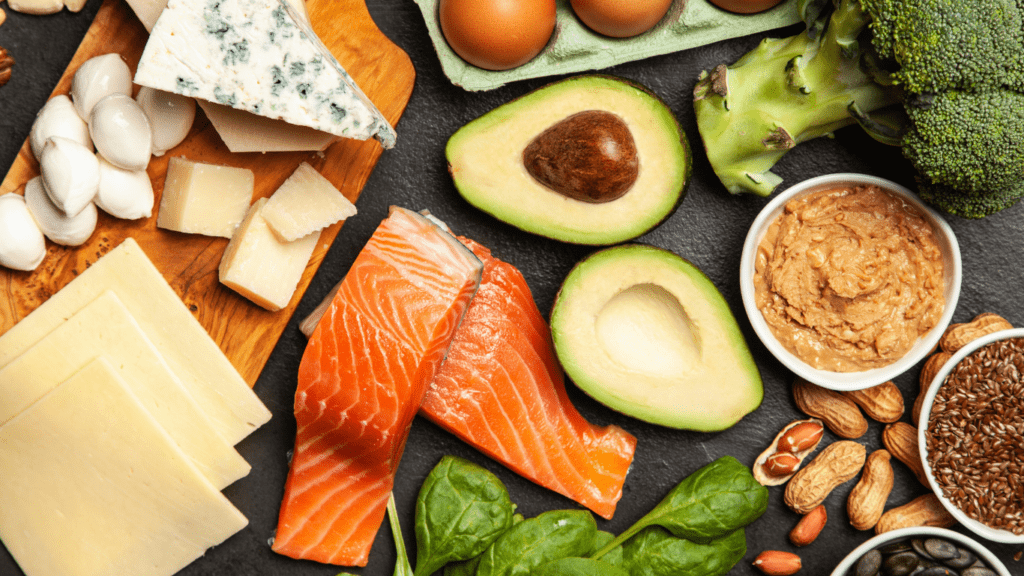
Good news? You don’t have to overhaul everything overnight. Swap vegetable oil for avocado or olive oil. Trade white bread for sprouted or seeded whole grain. Switch the sugar loaded granola bar for a handful of unsweetened nuts and some berries. Small tweaks, big return. You’re not just eating cleaner you’re giving your body less to fight.
Strategy 2: Load Up on Natural Anti Inflammatories
When it comes to fighting inflammation without pharmaceuticals, the heavy lifters are turmeric, ginger, and omega 3s. These aren’t just trending on health blogs they’re backed by research.
Turmeric brings the heat with curcumin, its active compound. It’s shown to block NF kB, a molecule that triggers inflammation at the cellular level. Ginger follows with its own bioactives called gingerols and shogaols. They work to suppress inflammatory signals and help with muscle recovery and digestion. Omega 3 fatty acids especially EPA and DHA impact inflammation at a systemic level, regulating cytokines and prostaglandins. Think of them as inflammation’s natural off switch.
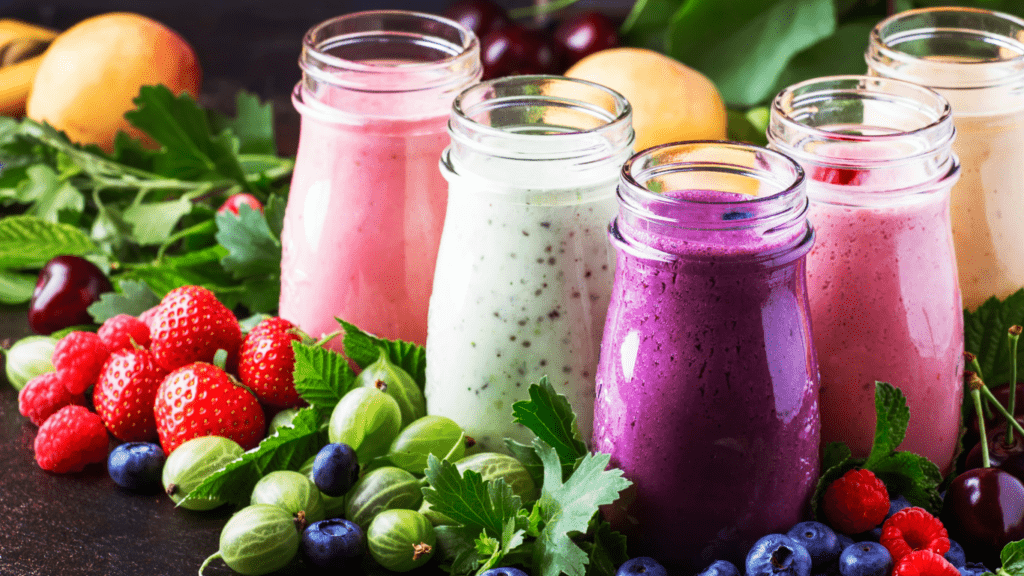
The challenge? Making them part of your daily rhythm. Add grated ginger to stir fries or morning tea. Toss turmeric into scrambled eggs or smoothies (don’t skip the black pepper it boosts curcumin absorption). For omega 3s, think wild caught salmon, sardines, or a high quality fish oil supplement.
These aren’t cure alls, but they tilt the odds in your favor. Consistency is key.
For deeper insights, check out this guide to anti inflammatory nutrition.
Strategy 3: Cycle and Track Everything

Serious biohackers don’t leave results to chance they test, track, and tweak. That’s where elimination diets come in. They’re not just about cutting foods. They’re a diagnostic tool. Pull something out (gluten, dairy, seed oils), track how your body responds, then reintroduce and observe. It’s slow, it’s boring but it works. Precision comes from pattern recognition.
Food tracking isn’t about counting every calorie. It’s about spotting trends. Energy dips 90 minutes after lunch? Skin flares after a certain snack? You won’t notice unless the data’s in front of you. Most use apps like Cronometer or Zero to log meals and annotate symptoms.
Then come the wearables. HRV, sleep quality, resting heart rate these are real time proxies for inflammation. Devices like the Oura Ring or WHOOP band give daily readouts of how your recovery is trending. Missed your magnesium intake or went heavy on processed food? You’ll see it in your numbers.
The key is agility. You don’t just collect the data you act on it. Swap meals. Adjust macros. Sleep more. Fasting window too aggressive? Pull it back. The body gives continuous feedback if you’re listening carefully and biohackers always are.
Strategy 4: Master Your Gut
If you’re serious about dialing down inflammation, start with your gut. It’s not just a digestion hub it’s mission control for your immune system, hormonal signals, and inflammation response. When your microbiome’s off, your whole system feels it. Brain fog, fatigue, joint stiffness? Often, it’s your gut quietly flipping the switch on low grade inflammation.
Biohackers treat their gut like a data center balancing it with precision. Prebiotics (think bananas, garlic, asparagus) feed the good bacteria. Probiotics (yogurt, kefir, kimchi) top up the beneficial strains. Fermented staples support microbial diversity, which matters more than people think. The less diverse your gut, the more prone you are to inflammatory spikes.
Here’s the trap: just taking a probiotic supplement won’t cover your bases. Many choose the wrong strains or don’t pair it with food that helps them stick. Another common mistake? Overdoing fermented foods too fast. That can actually cause gut stress, not stability. And if your diet still includes hidden offenders like emulsifiers or processed carbs, you’re undoing the good work.
Start simple. Eat real, fiber rich food. Rotate your sources. Track how you respond. A well tuned gut doesn’t just keep inflammation in check it becomes your edge.
Strategy 5: Time Restricted Eating
Intermittent fasting isn’t just another dietary trend it’s showing up in hard data as a legit anti inflammatory tool. Studies have found that narrowing your eating window can lower markers like CRP (C reactive protein) and IL 6, both key players in chronic inflammation. The real kicker? You’re not just eating less you’re giving your body time to recalibrate, clear out cellular junk, and reset metabolic pathways.
The most popular protocols 16:8 and 18:6 aren’t one size fits all. People with faster metabolisms might do better pushing into an 18 hour fast. Others may find 16:8 hits the sweet spot without dipping energy. There’s no universal answer here. Track how you feel, test glucose and sleep data, then adjust.
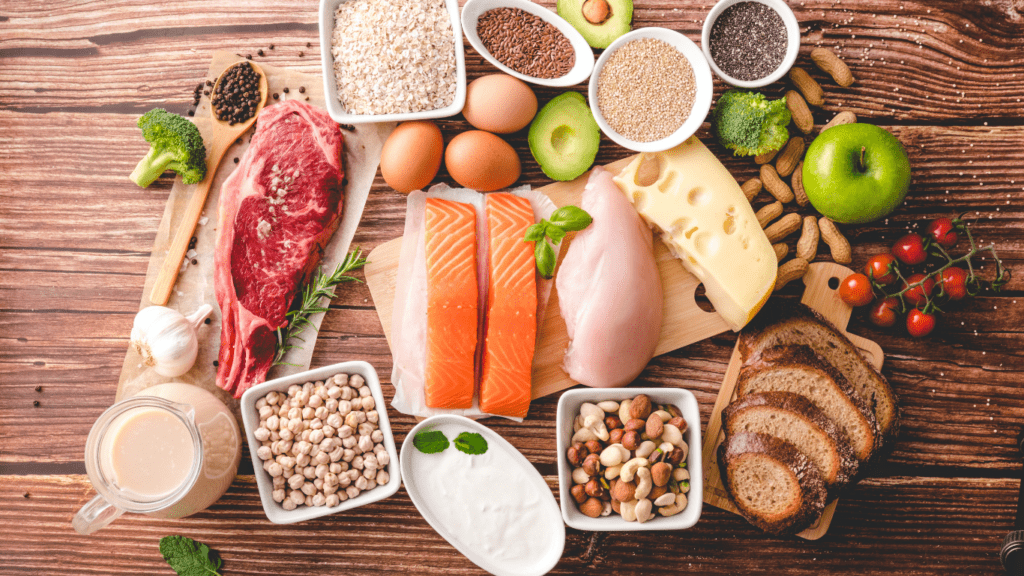
Timing matters just as much as content. A clean fast (just water, black coffee, maybe salt) primes your body to repair. When the eating window opens, what you eat still matters. Anti inflammatory staples wild salmon, cruciferous veggies, olive oil, fermented foods should dominate the plate. Just because you’re fasting doesn’t give you a pass to eat trash during your window.
The endgame isn’t starvation. It’s precision. Time restricted eating offers a framework to reduce inflammation and sharpen metabolic control straightforward, powerful, and adaptable to your biology.
Final Tools and Resources
Smart biohackers don’t guess when it comes to inflammation they test, measure, and adjust. Three lab markers are common ground for anyone serious about controlling systemic inflammation. First up: CRP (C Reactive Protein). This is one of the most reliable indicators of inflammation floating through your system. Lower is better think single digits, with elite performers shooting under 1.0 mg/L.
Next, the Omega 3 Index. It measures the ratio of omega 3s to omega 6s in your blood. Most people are way off balance, thanks to processed foods and seed oils. A higher omega 3 index signals a lower inflammatory baseline aim for above 8%.
Finally, sensitivity panels. These aren’t about allergies but low grade reactions to common foods. They help identify hidden sources of immune stress. Think delayed responses to dairy, gluten, or even eggs worth testing if you suspect food is the trigger.
Supplements? Keep it targeted. Fish oil with a high EPA/DHA count is the foundation. Add curcumin (from turmeric), ideally in a bioavailable form. Ginger extract can also complement the stack, as can quercetin and resveratrol especially when paired with a healthy fat source to bump absorption.
Measuring labs, optimizing inputs, cutting noise. It’s not about overloading it’s about precision. Your system runs cleaner, recovery improves, and performance lifts. Simple as that.
More insights here: anti inflammatory nutrition
Keep it clean. Keep it measured. Inflammation isn’t just about comfort it’s about performance. Biohack accordingly.