Biohacking Gets an Upgrade in 2026
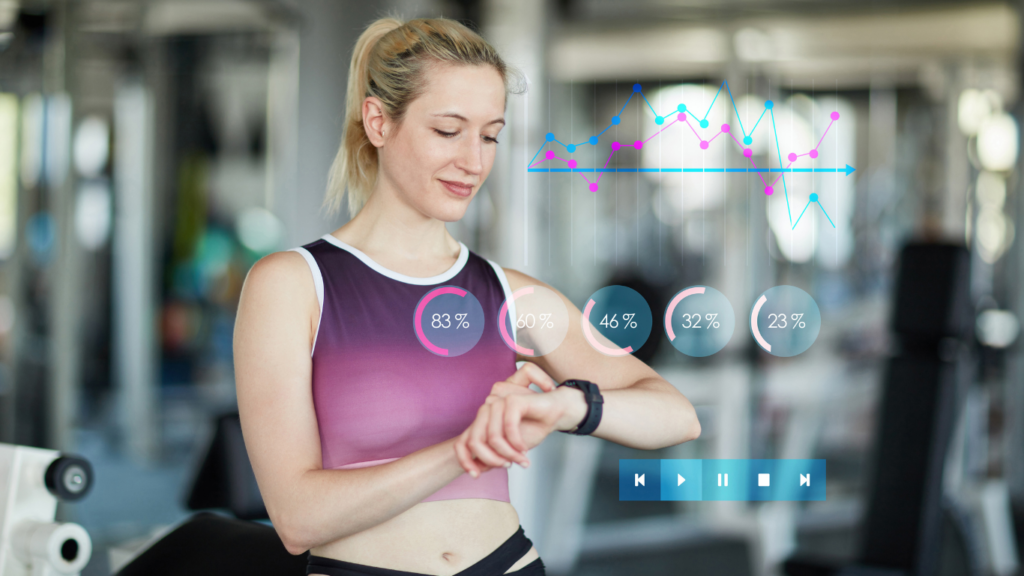
Wearable tech didn’t just join the biohacking game it’s running it now. What started as simple step counters has evolved into a full body feedback loop, giving users minute by minute data on how their mind and body respond to everything from sleep cycles to morning cortisol spikes.
This data first approach has flipped the process. Biohackers aren’t guessing anymore. They’re dialing in decisions when to train, when to rest, even when to load carbs based on real time input. Devices track heart rate variability, REM cycles, and cognitive strain with shocking precision. Suddenly, avoiding burnout and boosting focus isn’t abstract. It’s a numbers game.
That kind of insight gives an edge. Whether you’re optimizing brain function for deep work or managing stress to avoid brain fog, the tools now match the ambition. Wearables have become the control panel for the high performance human. And in 2026, the smartest biohackers are the ones listening to their data then taking action.
Neural Wearables: Thinking Faster and Sharper
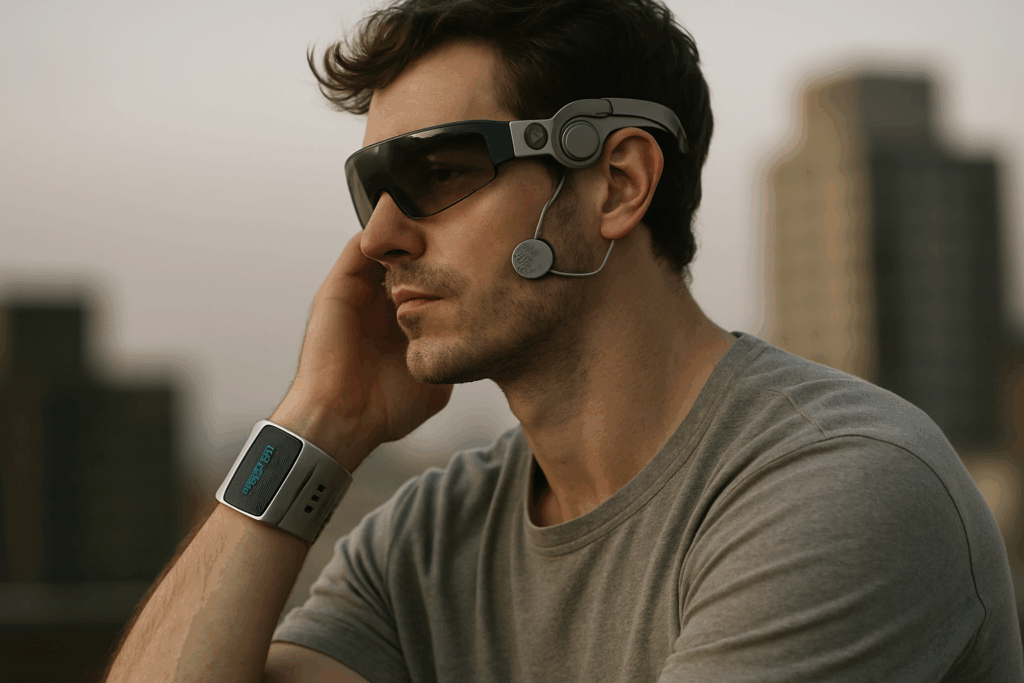
Wearables have moved far past steps and heart rates. Neural tech like headbands and earbuds that monitor brainwaves is now stepping into the mainstream. These devices track cognitive load in real time, meaning they know when you’re focused, stressed, or mentally tapped out. For biohackers, it’s a direct window into brain performance, not just body metrics.
What used to be confined to elite labs or athlete programs is now affordable and portable. Neurofeedback gear helps train your brain to stay sharp longer, switch off faster, and lock in focus when it counts. Whether you’re prepping for a presentation, meditating deeper, or extending your mental stamina through marathon coding sessions, these tools don’t just measure they coach.
The caveat? You still have to do the work. But now you’ve got a real time mirror for what’s happening upstairs. It’s not sci fi anymore. It’s gear you can buy, wear, and use daily to think better, not just move better.
Continuous Wellness Monitors Go Beyond the Wrist
Wearables in 2026 aren’t just counting steps or tracking heart rate they’re dialing into your biology with surgical precision. Think smart rings that measure cortisol spikes, skin patches that report hydration in real time, and sensors that continuously monitor glucose without a single finger prick. This isn’t future hype it’s quietly becoming mainstream.
Traditional wearables have hit their ceiling. The next gen players are smaller, smarter, and far more specialized. They’re designed to live on your body without getting in the way, collecting data that was once confined to labs and clinics. You’re not just tracking movement anymore you’re watching your hormones shift, your electrolyte levels fluctuate, and your blood sugar rise and fall throughout the day.
Precision is the new flex. The deeper the data, the more dialed in your health decisions become. Forget guessing if you’re drinking enough, sleeping well, or recovering properly these tools tell you, straight up. That level of insight changes the game for athletes, busy professionals, and hardcore biohackers alike. Optimization is no longer abstract. It’s measurable, actionable and worn on your skin.
Personalized Recovery Tech

Recovery isn’t just about rest anymore it’s about precision. In 2026, smart wearables are dialing in physical recovery to the minute. Compression sleeves and electrostimulation devices now adjust voltage, pressure, and pulse patterns in real time based on your body’s live data. No second guessing when to push or pause. The tech reacts faster than you can.
Leading recovery wearables now sync directly with sleep trackers, daily strain scores, and even inflammation markers. Your body tells the device what it needs, and the device responds tightening circulation here, easing muscle fatigue there, and nudging you away from the edge of burnout.
The result? Faster recovery with lower risk of overtraining. Vloggers, athletes, nighttime editors anyone pushing their limits are turning to this micro calibrated tech not just for repair, but to stay in the arena longer without crashing. Performance is no longer just about effort. It’s about intelligent recovery, custom fit to your biology.
Integrated AI: Your Body’s New Operating System
In 2026, wearable tech isn’t just tracking your body it’s making decisions for it. AI assistants now sift through a nonstop stream of biometric data to adjust routines on the fly. You’re not simply seeing stats like HRV or sleep cycles; your devices are actively building the habits you need, when you need them.
If your cortisol levels spike late in the day, your smart ring communicates with your routine manager to cut the caffeine, suggest a breathing session, and queue a low intensity workout. If hydration dips or your nutrient absorption trends go flat, you’ll know before symptoms show. This isn’t a calendar with tips. It’s your second brain for staying in balance.
Biohackers used to be the ones interpreting graphs and reverse engineering results. Now, they’re letting wearable AI take the wheel. There’s a growing level of trust in these systems because the results are hard to ignore. Performance improves. Burnout drops. Sick days get caught before they even start.
2026’s biohackers are tuning into their data but more importantly, they’re letting AI turn that data into action.
The Convergence of Fitness Tech and Biohacking
Athletes and biohackers used to live in separate worlds. One chased medals, the other longevity. In 2026, that line is almost gone.
Performance tech is getting smarter fine tuned not just for speed or strength, but for long term human optimization. Tools originally built for training like heart rate variability monitors and real time lactate trackers are now key to daily recovery, focus, and stress calibration. Likewise, biohacking favorites like continuous glucose monitors are showing up in elite training plans to help time meals and fuel better.
Some examples? Look at adaptable resistance bands with biometric feedback. Smart insoles that track gait and load balance for both rehab and peak sprint form. Or virtual coaches powered by AI, reading body signals and adjusting workouts on the fly.
It’s all blending tech that helps you train harder without breaking down, recover faster without over resting, and adapt smarter to stress.
Need more crossover picks? Check out fitness tech 2025.
Not Hype Just High Performance
In 2026, the biohacking crowd isn’t easily impressed. Wearables that only count steps or flash lights for attention don’t cut it anymore. The bar has moved. Real utility is king. People want devices that directly translate to better performance, smarter recovery, or clearer thinking. If it doesn’t produce measurable output biometric trends, cognitive data, actionable insights it’s likely getting sidelined.
Early adopters are the filter. They’re the ones torrent testing every launch, tossing out the junk, and sharing raw, unsponsored takes. Their verdict? The winners are subtle: next gen glucose sensors that look like skin patches; AI wearables you forget you’re even wearing until it pings you to hydrate; e stim recovery gear that knows your strain score before you do. The noise gets weeded out fast.
Bottom line: the future isn’t something you wait for it’s wearable now. It’s just a matter of choosing the right tools and letting the data guide the strategy. Put simply: high performance tech belongs to those willing to wear it with intention.