Resetting the Body with Science
Recovery isn’t an afterthought anymore it’s the main event. In 2026, high performers no longer chase the most brutal workouts. They chase bounce back speed, neurological readiness, and inflammation control. The best gains now come from getting better at bouncing back, not breaking down harder.
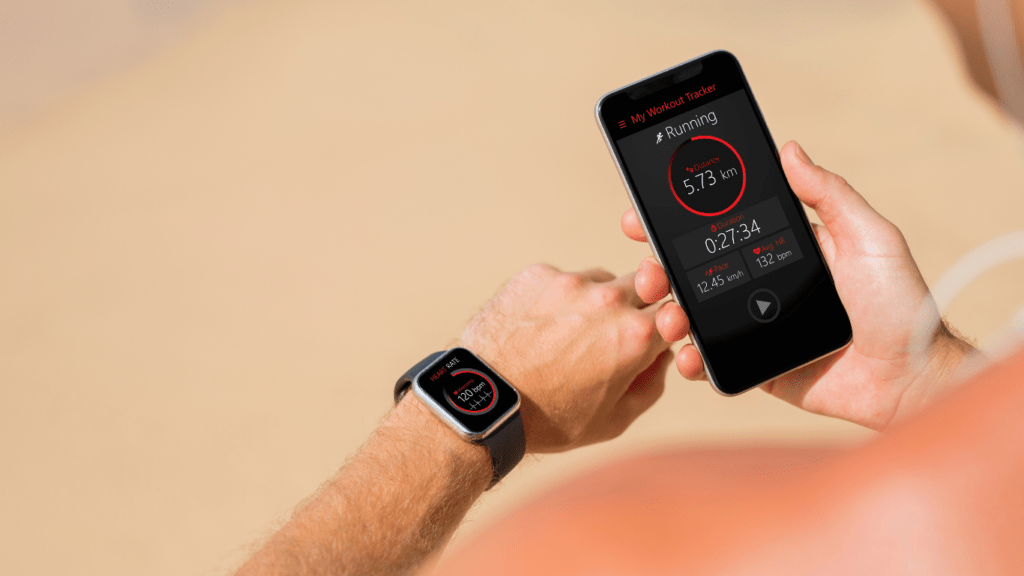
The whole mindset has shifted. Instead of tracking sets and reps, elite biohackers are dialing in daily on HRV (heart rate variability), deep sleep minutes, resting cortisol, and glucose stability. Metrics once reserved for labs are now routine dashboard views instantly accessible through wearables that sync with your phone.
This new performance frontier is less about doing more and more about recovering better. Strategic rest, tailored supplements, and tool assisted recovery (think red light, compression, cryo) aren’t just part of the plan they are the plan. Muscle grows when the nervous system feels safe. That’s the new law. The smart ones train hard but recover even harder.
Cold Exposure Reloaded
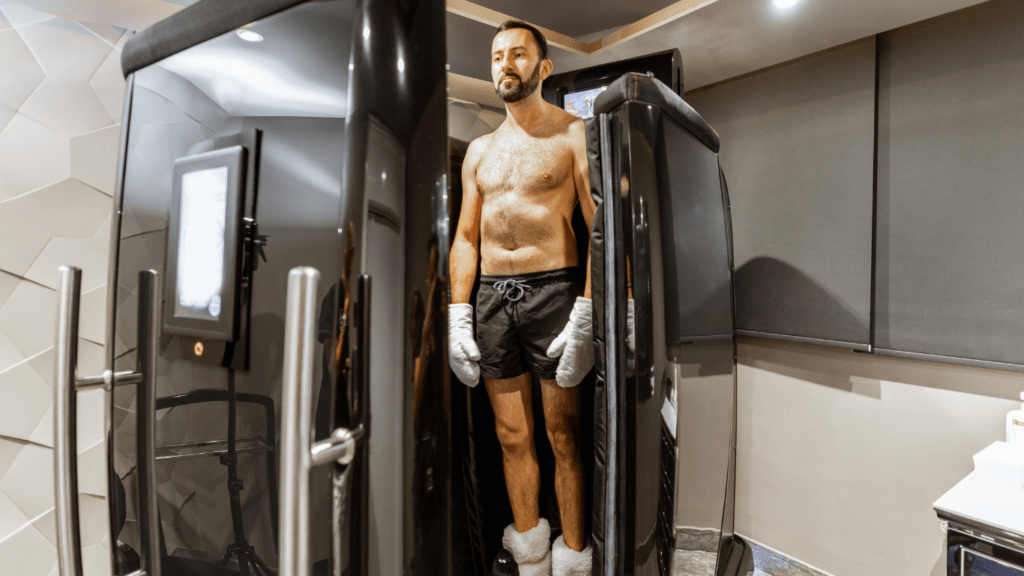
Ice baths used to be the badge of honor: gritty, painful, effective mostly. But by 2026, serious recovery routines have evolved. Cryo chambers have taken over, and it’s not just hype. They offer faster, more controlled cooling without the mess or massive time commitment. Instead of dunking in freezing tubs for 12 minutes, biohackers now step into 180°C chambers for just 2 3 minutes and walk out with less skin trauma, more precise stimulus, and better hormonal response.
Timing also shifted. While cold therapy used to be a post workout ritual, that’s changed. Morning exposure is now the go to for alertness, mood, and metabolism reset. Evening cold sessions, in contrast, are linked to disrupted sleep patterns something no high performer risks lightly. Instead, the morning shock hits the nervous system right when it’s most primed to absorb the benefits.
As for how long to stay cold? The sweet spot, according to 2026 data, is 2 4 minutes in the cryo chamber, or 6 8 minutes if you’re still using cold plunges no longer than that. Short, sharp, strategic. It’s not about surviving the cold. It’s about putting it to work.
Smart Sleep as Strategy
In 2026, elite biohackers are treating sleep like data driven performance fuel. It’s not just about getting more hours it’s about optimizing every minute for physical and neurological recovery. The science of sleep has evolved, and top tier recovery now starts the night before.
Wearables That Do More Than Track
Today’s advanced wearables don’t just monitor your sleep they correlate it directly with muscle recovery, inflammation load, and HRV (heart rate variability). The data isn’t just for insight; it’s for adjustment.
Devices now integrate with nutrition and training apps to sync recovery plans
Algorithms predict performance dips and suggest sleep based interventions
Common metrics tracked: deep sleep duration, REM balance, nighttime HRV, body temp variations
Pre Sleep Priming Rituals
In 2026, the hour before bed is prime recovery territory. Biohackers are tweaking their routines to trigger growth hormone release, improve sleep depth, and accelerate CNS (central nervous system) recovery.
Key practices include:
Blue light blocking: Using filtered lighting or screen tech to align circadian rhythm
Heat regulation: Avoiding late meals and using warm showers followed by cool rooms
Pre sleep supplementation: Magnesium L threonate, glycine, and L theanine microdosed strategically
These routines aren’t optional they’re foundational to improved recovery window effectiveness.
Managing Sleep Debt Without Compromise
Modern recovery habits acknowledge that sleep debt is real but fixable. Biohackers now prepare for inevitable late nights or travel induced disruptions using fast recovery tools that help rebalance the system without stealing long term performance.
Tactical approaches include:
Light therapy: Panels or wearables resetting melatonin cycles post jet lag or stress
Breathing protocols: Box breathing or 4 7 8 methods to trigger parasympathetic response pre sleep
Lab grade supplementation: Compounds like apigenin and phosphatidylserine used in microdoses
Smart sleep isn’t passive anymore it’s strategic, personalized, and essential for recovery that actually scales with training intensity.
Red Light Therapy 3.0

Red light therapy isn’t just hanging on it’s evolving fast. Modern devices in 2026 are stronger, more focused, and light enough to toss in a gym bag. Biohackers are skipping full body beds and opting for portable panels built for zones: quads, lower back, knees. Less time, more targeting.
But it’s not just about sore muscles anymore. The new wave of users is chasing broader benefits skin quality, reduced inflammation, joint resilience. Panels tuned to deeper wavelengths are showing measurable gains in collagen production and recovery speed.
So how often? The pros go three to five times a week. Short sessions 10 to 15 minutes per spot make it easy to work into post workout or wind down routines. It’s not a magic bullet, but stacked with other tools, red light is no longer fringe. It’s functional.
Blood Flow Restriction (BFR) Recovery
BFR used to be something you’d only see in physical therapy clinics or rehab routines. Now? Top level lifters are strapping in right after HIIT, not because they’re hurt but because it works. Recovery isn’t passive anymore. Restricting blood flow creates metabolic stress without piling on more mechanical damage. That means muscles recover faster with less overall wear.
Athletes are pairing BFR with slow, focused mobility drills. Think low intensity banded movements, joint circles, and controlled stretching all while wearing cuffs. The goal is better circulation, faster nutrient delivery, and reduced swelling. It’s recovery and mobility in one shot.
Timing matters. The sweet spot is immediately post workout or during active recovery days. Pair it with tools like infrared or contrast therapy and you’ve got a stacked approach that stimulates repair without trashing your nervous system. No fluff, just smarter recovery that fits into a more results driven weekly plan.
Backed By Science Stacks
In 2026, smart recovery isn’t just about what you do it’s about what you consume. Nutritional support plays a central role in helping the body bounce back faster and stronger. Collagen has stayed on top thanks to its role in soft tissue repair. Creatine, long known for strength gains, is now appreciated for cellular recovery and even cognition. But the real newcomer? Exogenous ketones. Biohackers use them post workout to stabilize energy, reduce inflammation, and support metabolic recovery on non training days.
Anti inflammatory adaptogens have quietly become staples too. Think turmeric extract, ashwagandha, and Rhodiola rosea natural compounds that minimize cortisol spikes and help with systemic stress. They’re not just for rest days. Some creators actually weave them into pre sleep stacks to improve HRV and sleep quality overnight.
And electrolytes? They’ve been re engineered. Forget basic sodium and potassium. The new wave includes magnesium glycinate, potassium citrate, and trace minerals tailored to post exertion needs. These are formulated for absorption, not overloading. For hardcore biohackers, this makes the difference between dragging through the next day or hitting it again at 90% plus.
The trend is clear: Recovery nutrition in 2026 is tight, targeted, and evidence backed. No fads. Just function.
What Worked in 2025 Still Holds Up
Not everything needs reinventing. Some recovery protocols from 2025 still form the bedrock of elite routines in 2026. We’re talking about tried and true practices like mobility flows post training, magnesium rich nutrition, and daily HRV tracking. These aren’t flashy but they work, and high performers know it.
Anyone deep in the biohacking game knows the basics are where consistency builds. Contrast therapy cycles (hot/cold), progressive breathwork, and active rest days are still locked in, non negotiable parts of the recovery cycle. These are the things you don’t skip even when you’re layering on the newest tech or supplements.
The real trick? Blending old school with cutting edge. You might be tweaking a 2025 mobility routine with 2026 AI formulated peptide guidance. Or refining sleep protocols using legacy blue light blockers, but supported by real time sleep architecture adjustments through next gen wearables.
Bottom line: Before you stack new strategies, lock the basics down. If you need a refresher, this 2025 recovery hacks guide still delivers. Get those foundations right, then stack smartly on top.
Final Recovery Protocol Stacking Cheat Sheet
A well oiled recovery routine in 2026 isn’t just daily ice baths and 9 hours of sleep it’s a calculated stack based on your training load, biometrics, and goals. Here’s how a typical week breaks down for a serious biohacker:
Monday: Heavy lift day. Recovery kicks off immediately post workout with 15 minutes of red light therapy and 20 minutes of light cycling with BFR bands. Nutrition stack includes creatine, magnesium, and a collagen protein chaser. Sleep is prioritized with a glycine + ashwagandha combo and blue light blockers two hours before bed.
Tuesday: Active recovery. Short fasted walk at sunrise followed by cryo chamber exposure. Morning is fueled with ketones and electrolytes. Midday mobility session with a percussion gun and cold glove compression for joint recovery.
Wednesday: Moderate training day. Red light therapy in the morning, functional strength in the afternoon. Post session cold plunge for 3 minutes at 50°F, followed by a protein rich meal with Omega 3s. Passive rest at night screen off early, blackout curtains drop, earthing mat on.
Thursday: Total rest this means passive. No training, no BFR. Gentle zone 1 walk, but only if recovery scores allow. Sauna in the afternoon to promote lymphatic drainage. Hydration is the priority: high mineral water, NAC for liver reset, and trace elements. Early to bed, no tracking ring.
Friday: HIIT interval focus. Prepped with adaptogenic support (Rhodiola + Cordyceps). Post session: BFR stretching, red light targeted at quads and hamstrings. Sleep re optimized with tart cherry for melatonin boost and a breathwork protocol before lights out.
Saturday: Variable day. If readiness scores are high, push with skills based or explosive training. Follow with power nap, contrast water therapy, and a creatine glutamine electrolyte cocktail. If readiness is low, flip to light mobility and neurofeedback.
Sunday: Reset. Nature time, unstructured movement, phone down. A full passive rest day zero gadgets except for hydration tracking. Gentle yoga, low dose melatonin if sleep lag from the week built up.
The mix of passive and active recovery depends on two things: your effort output and your recovery inputs. Push yourself? Stack active tools like BFR and red light. Low output day? Go passive opt for sauna, naps, and silence. Recovery isn’t just downtime now it’s training in disguise.