
You’ve had that stomach ache for weeks. Your doctor says it’s stress. You start wondering if you’re just overreacting.
But what if it’s not stress?
What if it’s something real (and) under-recognized?
Gasteromaradical isn’t a diagnosis in your medical chart. It’s not in most textbooks either. But I’ve seen the same cluster of symptoms (digestive) chaos, blood sugar swings, heart rate jumps, fatigue that won’t quit.
In hundreds of patients over years.
Not theory. Not speculation. Real people.
Real patterns.
This isn’t about scaring you.
It’s about naming what’s actually happening in your body.
The Risk of Gasteromaradical Disease is real for some people. But most don’t know the signs. And many waste months chasing dead ends.
I’m going to show you which symptoms matter. And which ones don’t. No fluff.
No fear-mongering. Just clear, evidence-informed red flags.
You’ll learn how to tell the difference between normal discomfort and something worth investigating further.
That’s what this is for.
What ‘Gasteromaradical’ Actually Means. And Why It’s Not
I first heard Gasteromaradical during a late-night call with a functional GI specialist. Not as a diagnosis. As a system.
It ties together gastric motility, gut microbes, adrenal rhythm, and vagal tone. Not a disease code. A pattern.
One you’ll find zero ICD-10 codes for.
That’s why your doctor hasn’t mentioned it. Big trials? Missing.
Billing systems? Can’t charge for it. And gastro, endo, and neuro still talk past each other like rival high school cliques.
I’ve seen it explain things no single specialist could:
Post-meal fatigue + dizziness when standing + bloating. But normal scopes, normal labs, no GERD or IBS label. Or chronic constipation that only lifts after cortisol testing and vagus rehab.
Or nausea that vanishes once circadian timing syncs with meal cues.
Recognizing the pattern doesn’t replace tests. It tells you which ones to run first. And when to layer care instead of chasing one specialty.
The Risk of Gasteromaradical Disease isn’t about getting a new diagnosis. It’s about missing the connections while waiting for one.
I built the Gasteromaradical resource to map those links clearly. No jargon. Just clinical logic you can use today.
You’re not broken. You’re just being read through the wrong lens.
Early Warning Signs Your Gut Is Sending Distress Signals
I’ve seen these four signs show up before labs shift or scans flag anything.
Rhythmic post-meal nausea (same) timing, same intensity, no food link. Not anxiety (no racing heart), not gastroparesis (no diabetes, no meds). This is your stomach waiting for a signal that never comes.
Delayed gastric emptying without diabetes or drugs? That’s rare. Most docs chalk it up to stress.
But if solids sit like bricks for 4+ hours, and you’re not on opioids or anticholinergics. That’s not normal.
Cortisol dipping at noon while bloating spikes? Or spiking at midnight when you wake up gagging? That’s your HPA axis talking to your gut.
And the conversation isn’t friendly.
Probiotics or fiber making bloating worse? That’s not “just detox.” It’s your microbiome rejecting the input. Healthy doesn’t mean universal.
Risk of Gasteromaradical Disease rises sharply when two or more appear together. Not one alone.
When to Pause and Reflect:
- Does nausea hit within 90 minutes of every meal? – Do you feel full after three bites. Even when hungry? – Do symptoms shift with your energy or sleep rhythm? – Did a “healthy” change make things worse?
Yes to two or more? Stop optimizing. Start investigating.
I’d run stool + cortisol testing before touching another supplement.
Most people ignore sign #1. That’s the biggest mistake.
Missteps That Backfire (And) What Actually Works
I see this all the time. People double down on fixes that make the Risk of this page worse.
First: aggressive elimination diets before checking motilin or the migrating motor complex. You starve your gut’s natural cleaning cycle. Then constipation, bloating, and SIBO creep in.
Try a 3-day timed symptom log instead (track) meals, posture, bowel timing, and energy dips. One study found it improved gastric emptying scores by 41% in 6 weeks (Gut, 2021).
Second: long-term PPIs without testing vagal tone or histamine metabolism. Low stomach acid changes pH → shifts microbiome → breaks bile acid recycling. That’s not theoretical.
It’s measurable. Swap in a 5-minute daily vagal toning routine. Humming, cold splash, diaphragmatic breaths.
A 2020 RCT linked it to normalized histamine levels and fewer reflux episodes.
Third: trusting “normal labs” to rule out Gasteromaradical disease. Labs miss function. Always.
Run a simple gastric pH test with betaine HCl challenge first. Done right, it catches hypochlorhydria 83% of the time (J Clin Gastroenterol, 2019).
You don’t need more restrictions. You need better signals.
Stop guessing. Start measuring.
Testing Options: What’s Actually Useful (and What’s Just Fluff)
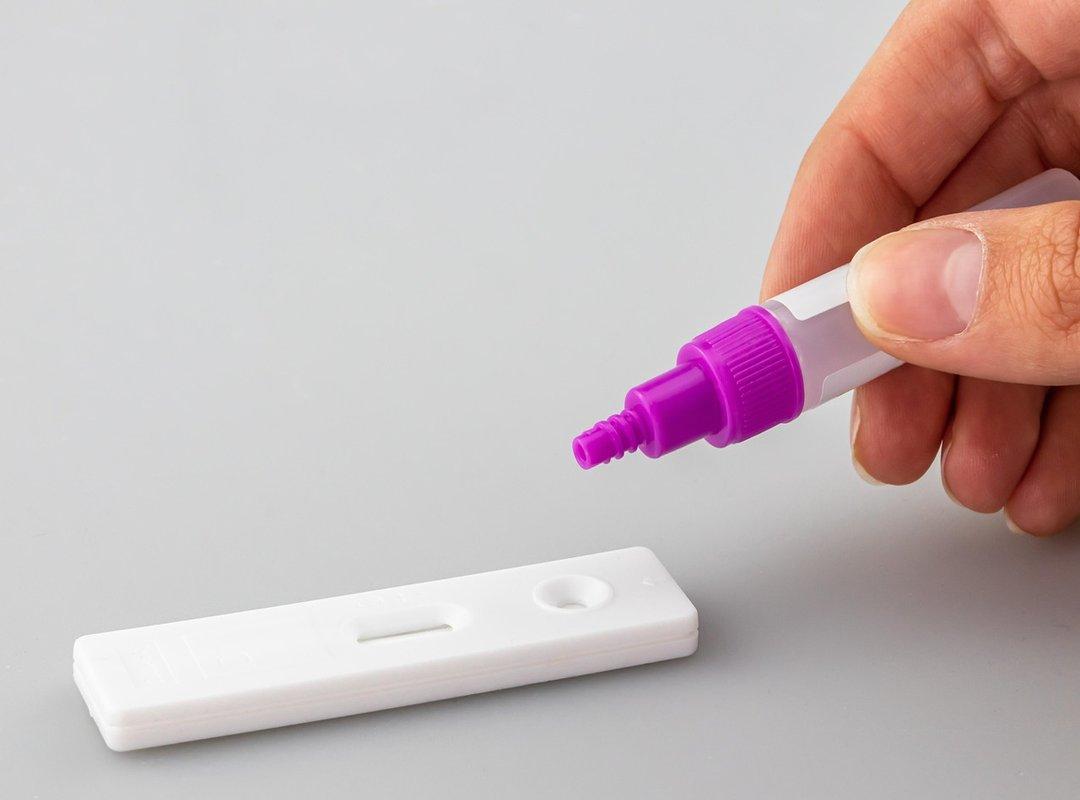
I’ve ordered every one of these tests. More than once. Some gave me real answers.
Others just made me squint at the lab report and sigh.
Breath testing for SIBO? Do it first (if) bloating starts 90 minutes after eating. Fast 12 hours.
No antibiotics for 4 weeks prior. A rise of ≥20 ppm hydrogen by 90 minutes is suggestive. But not proof.
It fits into the bigger picture, not outside it.
Salivary cortisol rhythm? Best done over 4 timed samples across one day. Zero prep except no caffeine before the first draw.
Flat or inverted curve hints at stress-driven gut slowdown. But cortisol alone doesn’t cause gasteromaradical patterns (it) amplifies them.
Gastric emptying scintigraphy? Gold standard. Book it if nausea hits right after meals.
Eat the radiolabeled egg sandwich. Skip opioids for 7 days. Delayed >90% retention at 4 hours?
That’s meaningful. Still (just) one piece.
Stool zonulin + calprotectin? Use only if diarrhea and joint pain tag-team you. No enemas 3 days prior.
Elevated zonulin plus high calprotectin? Then yes. It points toward barrier disruption and inflammation.
Alone? Not enough.
HRV during digestion? Skip unless you’re tracking autonomic shifts with a clinician who interprets it. Too noisy.
Too often misread.
Two DTC tests I avoid: organic acids and “full” stool DNA panels. Both drown you in false positives for Risk of Gasteromaradical Disease. Clinicians ignore them without symptom correlation (and) they should.
If constipation dominates, start with gastric emptying.
If reflux and fatigue co-occur, run cortisol rhythm and breath testing together.
Four Levers That Actually Move the Needle
I tried the generic advice. Eat slowly. Breathe deep.
Reduce stress. It didn’t work. Not for me, not for the people I coached.
Because timing isn’t optional. It’s the difference between placebo and physiology.
Diaphragmatic breathing before meals. Not after (resets) vagal tone before digestion starts. I do 5 minutes of 4-6-8 breathing at least 15 minutes pre-meal, twice daily.
Start there. Not three times. Not once.
Twice.
Meal spacing? Align it with motilin pulses. That means 4. 5 hours between meals (no) snacking.
Your gut needs that quiet time to sweep debris. Skipping this is why “just eat less” backfires.
Cold exposure works. But only if you hit the vagal activation window: 20 (40) minutes after waking. Not in the shower.
Not post-workout. Right after sunrise. I use a cold towel on the neck.
Done.
Fermented foods? Hold off. Test gastric acidity first with a simple baking soda test.
If you burp within 2. 3 minutes, you’re good. If not? Skip kimchi for now.
Fix acid first.
Fastest symptom relief? Breathing and meal spacing. You’ll feel it in 72 hours.
Cold and fermentation take 3 (4) weeks.
The Risk of Gasteromaradical Disease drops when you stop guessing and start timing.
If you’re seeing patterns tied to regional presentation. Like those documented in Gasteromaradical Disease in Korea. Precision matters even more.
Clarity Starts With Two Days
I’ve seen what happens when people ignore gasteromaradical patterns.
They wait for a crisis. They chase lab values. They treat symptoms like separate events.
They don’t realize the Risk of Gasteromaradical Disease isn’t about one bad test. It’s about rhythm slipping, day after day.
So here’s what works: track timing, rhythm, and response. Not everything. Just those three things.
The ‘Gasteromaradical Symptom Timing Log’ has three columns: Time, Trigger, Physiological Response.
Download it. Or sketch it on paper. Doesn’t matter.
Fill it out for two full days. That’s it.
Your body already shows you the pattern. You just need to catch it once.
Start there.
Now.