What Nutritional Cycling Actually Means
Nutritional cycling isn’t just another buzzword. At its core, it’s the strategic rotation of macronutrient intake usually carbs, protein, and total calories over days or weeks. Think of it less like a rigid diet and more like a rhythm. You’re shifting what you eat based on your body’s needs, energy output, or goals, not on whim or trendy restrictions.
This isn’t about cheat days or riding the yo yo of binge and restrict. That kind of thinking usually backfires. Nutritional cycling is deliberate. It’s grounded in biofeedback and optimization, not diet culture. People use it to support metabolism, avoid plateaus, and train the body to adapt efficiently to different fuel sources.
There are a few key types that matter most:
Carb Cycling: Typically involves low carb days followed by high carb days timed around workouts or recovery needs.
Protein Cycling: Includes strategic low protein windows to trigger cellular repair pathways like autophagy.
Caloric Cycling: Adjusting total intake across the week to balance energy demands and recovery, without chronic restriction.
Bottom line: nutritional cycling is a tool not dogma. When done right, it promotes adaptability and long term health instead of quick fixes.
Why Biohackers Rely on It
Nutritional cycling isn’t just a gimmick it’s a strategy built around how the human body actually prefers to run: adaptable, not rigid.
First off, it supports metabolic flexibility. That’s your body’s ability to switch efficiently between burning carbs and burning fat. When you’re not stuck in one gear, your energy doesn’t crash mid afternoon, and you’re not constantly chasing your next snack.
Cycling also helps you avoid plateaus. Whether you’re looking to lean out or just keep energy steady, your metabolism adapts quickly. Constant caloric restriction or even steady macros eventually stop working. Switching inputs forces the body to stay responsive.
Then there’s the hormonal layer. Strategic variation in food intake can support better insulin sensitivity, cortisol regulation, and even testosterone and thyroid health key axes for performance and longevity. And when your hormones are dialed in, the brain benefits too: sharper focus, stabilized mood, deeper sleep.
Where this method really shines is in synergy. Nutritional cycling plays well with other stress based biohacks: intermittent fasting, cold exposure, heat therapy. You’re not hammering the nervous system constantly you’re giving it just the right challenge at the right time. That’s how adaptation works. And it’s why smart biohackers lean into cycling as a foundation, not a side tactic.
Real Life Cycles that Work
Nutritional cycling isn’t just theory it’s rooted in systems that are working right now for real people targeting performance, energy, and longevity.
First up: the 3 day low carb, 1 day high carb rotation. For three days, you keep carbs tight think green veggies, fats, and protein forcing the body to tap into fat stores and reset insulin sensitivity. Then, on day four, you bring carbs back in with purpose. Sweet potatoes, rice, or quinoa get the spotlight, refilling glycogen stores and supporting hormonal balance, especially for active individuals. This rhythm supports metabolic flexibility without tanking your energy levels.
Weekly calorie cycling runs on a similar idea: fluctuate intake depending on your activity levels and goals. Higher calorie days boost recovery and performance, especially around heavy training or mentally demanding tasks. Lower calorie days give your digestion and metabolism a break. It keeps the body guessing in a good way and prevents the crashes common with long term deficit eating.
Then there’s protein fasting. Strategic and short typically 1 day a week you pull back on high protein foods to spark autophagy (cellular clean up). It’s not about avoiding food entirely, but shifting toward low protein, plant heavy meals that encourage cellular repair. Many biohackers swear by it for longevity benefits and inflammation control.
None of these methods are overly rigid. The trick is matching the pattern to your lifestyle and knowing when to shift gears.
Customizing the Cycle to Your Biology

Nutritional cycling only works if it works for your biology. Start by tracking how your body actually responds. Heart Rate Variability (HRV) is one of the best markers higher HRV usually means you’re recovering well and ready for a higher carb or more intense training day. Low HRV? Ease up. Sleep quality is another critical signal. If your deep sleep tanks after a high fat day or you wake up groggy, adjust. Mental clarity matters too. If your brain feels slow on low carb days, that’s data worth noting.
Once you’ve got a baseline, cycle with purpose. If you’re hitting heavy lifts or doing long endurance work, you’ll likely need more carbs in the rotation. Stressful week? Lower the overall training volume, increase fats, and prioritize recovery foods. Seasons matter too winter might call for more dense meals and slower rhythms, whereas summer demands lighter eating and faster fuel turnover.
Lastly, sync with your chronotype and circadian rhythm. Early riser? Front load calories. Night owl? Your late meals may actually be helping, not hurting. Eating in line with when your body naturally wants fuel can increase energy and cut down on metabolic stress. The better you dial these patterns in, the less guesswork you’ll need and the more sustainable your nutrition becomes.
What to Eat (and When to Eat It)
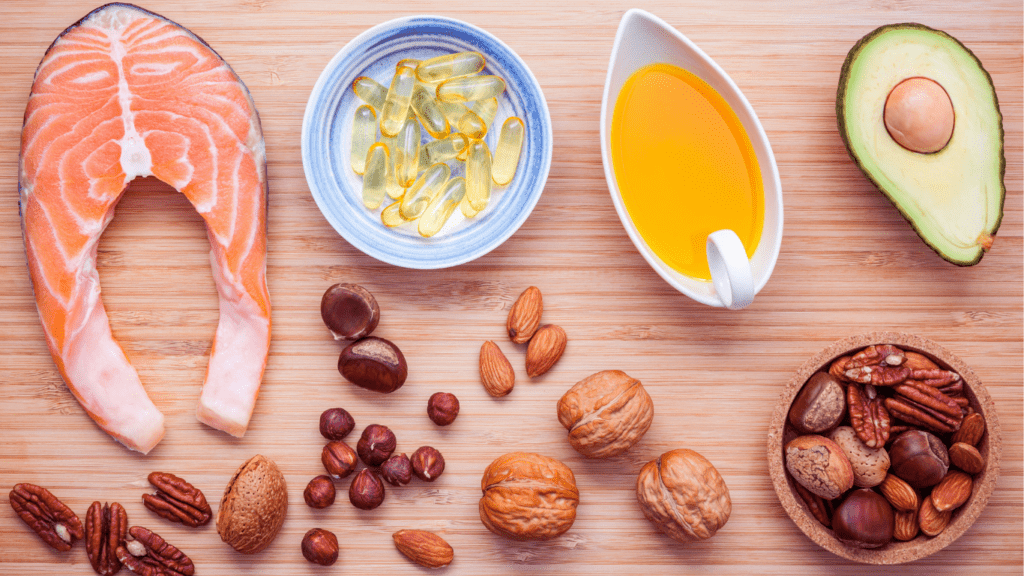
On low carb days, fat becomes your fuel. We’re talking olives, grass fed butter, wild salmon, pasture raised eggs, and avocados. Skip the sugary bombs and starch heavy fillers focus instead on meals that keep insulin low and energy clean. Think baked mackerel with arugula and olive oil, or a simple power bowl of sautéed kale, eggs, and tahini drizzle.
Then come the high carb days. This isn’t a free for all it’s strategic. Lean proteins (like turkey or cod) get paired with complex carbohydrates: quinoa, lentils, roasted root veggies, or steel cut oats. These meals help replenish glycogen, support muscle recovery, and keep the thyroid humming. Your body sees the fuel, knows what to do with it, and burns cleaner.
Timing matters too. Energy demand peaks earlier in the day, so shift calorie dense meals toward breakfast and lunch. Late night feasts? Less optimal. Creators, athletes, and entrepreneurs using this strategy often eat carb heavy meals post workout when insulin sensitivity is naturally higher.
For brain optimization, biohackers double down on choline rich foods like egg yolks and organ meats, or sip on MCT oil laced coffee in the morning to stay in mild ketosis and dial in focus. Some stretch their fasts until midday, then load up on micronutrients and amino acids to sustain deep productivity.
Smart eating isn’t about more or less it’s about when and what, based on what you’re asking your body and brain to do. This isn’t a meal plan. It’s a playbook for sustainable fuel.
(Go deeper with these meal plans for biohackers)
Building Nutritional Cycling Into Your Routine
Nutritional cycling sounds complex, but adopting it doesn’t have to feel like a second job. Whether you’re new to biohacking or just looking to tighten your routine, you can start small and scale up.
How to Start: Beginner Friendly Templates
Establishing your first cycle can be as simple as alternating carbohydrate and calorie levels through the week.
Try one of these beginner templates:
Carb Cycling Template: 3 days low carb, followed by 1 high carb refeed day
Calorie Cycling Template: Eat at maintenance or a slight deficit on most days, with one or two higher calorie days strategically placed
Protein Fasting Template: Once a week, reduce protein intake while increasing healthy fats and fiber to promote autophagy
Mistakes to Avoid
Jumping in without a clear structure (or trying to do too much too fast) can backfire. Watch for these common missteps:
Skipping refeed days: Missing these can lead to burnout, hormone dysregulation, and plateaued results
Over restricting: Going too low in calories or macros for too long can affect metabolism and mood
Ignoring your biofeedback: Numbers aren’t everything how you feel matters just as much
Using Tools to Track and Optimize
Nutritional cycling becomes more effective when you measure and adapt. The right tools can help you stay on track and make smarter choices.
Tools to consider:
Cronometer or MyFitnessPal: For macronutrient and calorie tracking
Lumen: To assess metabolic flexibility and identify carb burning vs. fat burning states
Basic journal: For tracking energy, mood, sleep, and digestion ideal for noticing patterns
Stack It for Greater Impact
Nutritional cycling works best when combined with other core wellness habits. Layering these can dramatically boost your results:
Sleep hygiene: Follow consistent bedtimes and dim light exposure at night to support hormonal balance
Movement: Tailor your physical activity to your nutrition day low intensity exercise on low carb days, resistance training on high carb days
Hydration and electrolytes: Especially important on low carb or fasting days to maintain energy and prevent fatigue
Start with one template, test and respond to your body, and layer in new strategies gradually. Nutritional cycling isn’t about perfection it’s about personal optimization over time.
The Long Game
Why Sustainability Wins
Unlike restrictive “all in” diets that are hard to maintain, nutritional cycling is designed for long term success. It allows for structure without rigidity, promoting consistency without obsession.
Key benefits of sustainable cycling:
Reduces burnout and diet fatigue
Adapts to your lifestyle, not the other way around
Encourages intuitive eating over time
Mimicking Ancestral Patterns
Nutrient variability isn’t just trendy it’s rooted in how humans have historically consumed food. Our ancestors naturally rotated macronutrient intake based on availability, activity, and season. Nutritional cycling brings that evolutionary lens to a modern routine.
How it echoes ancestral practices:
Periods of low food intake followed by nutrient rich phases
Seasonal shifts in fat, carb, and protein sources
Eating in sync with energy demands and environmental cues
Long Term Payoffs That Matter
Biohackers rely on nutritional cycling not just for physical transformation, but for cognitive performance and overall wellness. The benefits compound over time, especially when integrated with other biohacking tools like intermittent fasting or sleep optimization.
What you can expect over time:
Improved mental clarity and focus
Enhanced hormonal balance
Deeper, more restorative sleep cycles
For a deeper dive into structuring meals around your unique rhythm, explore these high performance meal plans for biohackers. They’re designed to align with the cycling lifestyle and support steady, lasting gains.