
What Microdosing Really Means
Let’s clear the air microdosing isn’t just about psychedelics anymore. In the world of everyday health, it means taking very small, subtherapeutic doses of supplements to support your body gently and consistently. No intense highs, no dramatic crashes just steady input to help your system do what it’s already built to do.
Microdosing has found a home with a wide range of compounds. Adaptogens like ashwagandha or rhodiola are common picks for stress support. Nootropics like L theanine or lion’s mane offer focus without the buzz. Even basic vitamins and minerals think B12, magnesium, or zinc can be microdosed to avoid overload while still filling nutritional gaps.
Why go small? Our bodies aren’t machines built for mega doses. Often, high amounts lead to quick dumps or side effects. Smaller, targeted doses tend to be easier to absorb, and easier to track. They work with your body’s rhythm rather than flooding it.
Microdosing is about finding balance nudging, not yanking. It’s a slower process, but often a smarter one for people looking to tune their health over time, not overhaul it overnight.
Top Benefits People Are Seeing
One of the clearest wins with microdosing supplements is better focus and steady energy minus the surge and crash cycle that comes with big stimulant doses or heavy caffeine use. By delivering just enough to support the nervous system without overstimulation, many users report sharper attention that actually lasts.
Mood wise, microdosing adaptogens and mood regulating nootropics appears to smooth out the rough edges. Instead of big emotional swings or high alert stress states, smaller daily doses help the body adjust calmly. Think fewer spikes in anxiety, and a boost in patience during hectic days.
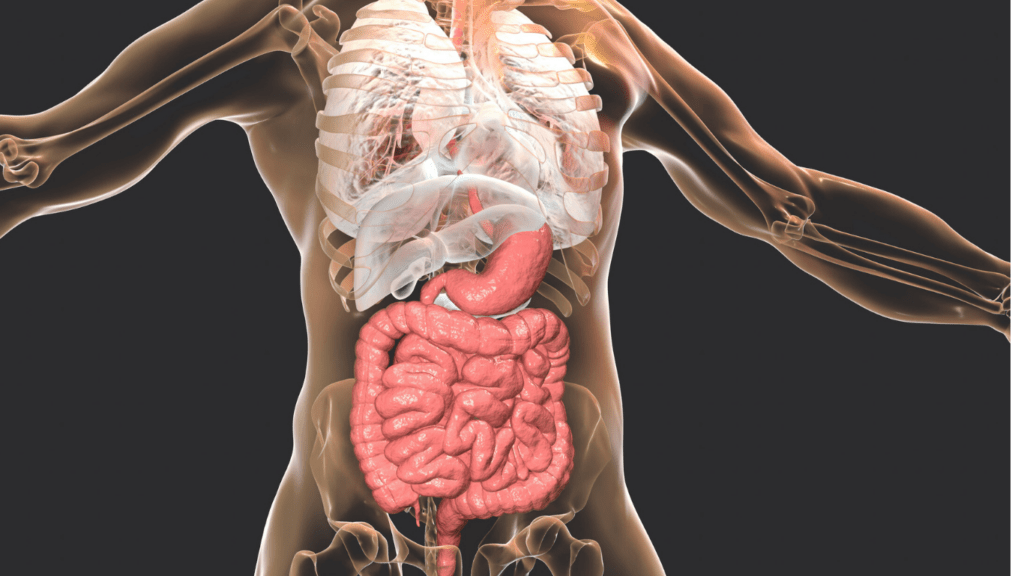
Microdosing isn’t just for the mind. It can gently support immunity and digestion, too. Herbs like astragalus or ginger, when used at low levels, seem to encourage balance without triggering strong reactions. It’s not about fighting illness it’s about strengthening the terrain.
And perhaps the biggest draw: fewer side effects. Giant doses of anything vitamin C, magnesium, even B complex can overwhelm the system. In contrast, micro amounts help avoid the jitters, stomach upsets, and headaches often listed on supplement bottles. This makes it more likely users will actually stick with the routine, and notice quiet, real benefits over time.
How to Start Safely
Microdosing sounds minimal, but it still needs structure. Start with quality only use supplements from established, third party tested brands. Just because a label looks clean doesn’t mean what’s inside is.
Next, don’t guess your doses. Microdosing isn’t about winging it. Use calibrated tools droppers or digital scales to get precise, consistent amounts. Small doesn’t mean random.
Introduce one compound at a time. You’re watching for changes like mood shifts, clarity, energy, digestion. If you stack two or three right away, you won’t know what’s causing what.
Keep a log. Write down when you dose, what you feel, and any trends over time. Effects can sneak up quietly, and journaling helps you actually notice.
And if dosing or interactions feel even slightly unclear, talk to someone qualified. A practitioner who knows supplements can help steer you around common pitfalls before they become problems.
What to Watch Out For

Microdosing can be a powerful tool for wellness, but it’s not without its risks especially for those new to the practice. Avoiding common pitfalls can help you get the most out of your protocol without unintended side effects.
Don’t Mix Too Many Compounds at Once
One of the most common mistakes beginners make is stacking multiple supplements simultaneously. While combinations can be effective, stacking too early clouds your ability to identify what’s helping or hurting.
Introduce new compounds one at a time
Wait at least a few days (or longer) before adding additional elements
Track your response to each supplement before building a stack
Know That Some Supplements Don’t Work in Micro Doses
Not every vitamin, adaptogen, or nootropic offers value in small doses. Some compounds require a threshold amount to become bioavailable or effective.
Research efficacy at low doses before including any compound
Look into clinical studies or trusted functional health sources
Observe how your body responds to smaller amounts before scaling
Stay Informed About Compound Interactions
Even at low doses, certain supplements can interact with medications or each other or accumulate in the body over time.
Avoid combining compounds that affect the same biological pathways (e.g., multiple stimulants)
Be cautious with fat soluble vitamins and herbs that build up in tissues
Review potential drug supplement interactions, especially if on prescribed medication
Resist the “More Must Be Better” Mentality
Microdosing is about intentional restraint. Doubling up on doses or adding more supplements won’t speed up results and can backfire over time.
Stay within recommended micro dose ranges
Choose consistency over intensity
Keep focus on subtle, sustainable improvements
Being mindful and measured is key. Educate yourself, pay close attention to your body’s feedback, and always prioritize safety over speed.
Tools for Smarter Microdosing
Navigating microdosing effectively requires more than just choosing the right supplements it’s also about measuring, tracking, and maintaining consistency. The right tools can make a major difference in both safety and results, especially when doses are subtle enough that small errors matter.
Measurement Tools That Matter
Precision is key when you’re working with small doses.
Capsule counters help you prepare consistent daily doses in advance.
Liquid droppers allow for exact measurements, especially with tinctures or other liquid supplements.
Digital micro scales are essential when dealing with powdered compounds to ensure accuracy down to milligrams.
Tracking Responses: Be Your Own Data Source
Understanding how your body responds over time is critical. Leverage smart tools to keep your microdosing grounded in real feedback, not guesswork.
Biofeedback apps help you log mood, focus, sleep, and other key metrics.
Wearable devices can track physiological responses like heart rate variability, sleep quality, and stress levels.
Create a simple daily journal to note subtle changes and patterns both short and long term.
Build a Routine That Works for You
Microdosing isn’t effective without consistency. Creating a rhythm helps your body adapt and improves your ability to evaluate outcomes.
Same time daily: For those aiming for steady support and minimal fluctuation.
Cycle on/off patterns: Useful for certain compounds, especially nootropics, to prevent tolerance and maintain effectiveness.
Finding the right pattern might take trial and observation. Use your tracking tools alongside your dosing schedule to fine tune what works best for your body, brain, and lifestyle.
Go Deeper With a Full Breakdown
Microdosing is simple in concept but nuanced in practice. Once you’ve got the basics down, the next step is learning how to fine tune your stack, choose effective compounds, and avoid wasted effort. That’s where expert insights and personalized strategies come in. Whether you’re targeting cognitive clarity, mood balance, or whole body wellness, dialing in the right approach can make all the difference especially over the long haul.
For a deeper dive into what works, what doesn’t, and how advanced users design their microdosing routines, check out the full microdosing guide. It’s loaded with real world tactics and vetted advice to help you make smarter, safer choices.
Final Thought: Start Smart, Stay Aware
Microdosing isn’t magic. It’s method. The goal isn’t immediate transformation it’s steady, measurable improvement. Real gains come from consistency, not shortcuts. So go slow. Track what you’re doing. Notice what shifts, and what doesn’t. Everybody responds differently, and the real hacks are in the details.
Also, stay skeptical. Not every headline, influencer claim, or supplement brand has your best interest in mind. Data beats hype every time. If something sounds too good to be true, it probably is.
This isn’t about chasing edge. It’s about mastering balance.
Explore the complete microdosing guide to fine tune your daily routine with confidence.