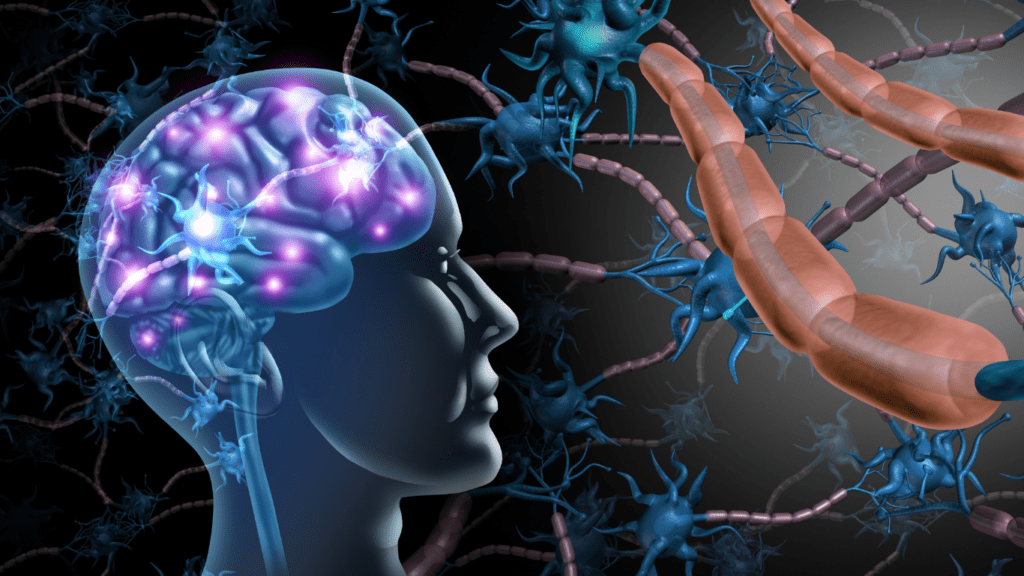

Why Brain Training Isn’t Just a Buzzword
Sharp focus. Better recall. A more stable emotional baseline. These aren’t genetic gifts handed out at birth they’re skills. And like any skill, they can be trained, sharpened, and made stronger with practice.
At the core of it all is neuroplasticity. That’s the science speak for your brain’s ability to rewire itself based on what you do, how you think, and the habits you show up for day after day. It’s not philosophy it’s biology. Whether it’s learning to tune out distractions, recalling important details faster, or not unraveling the moment stress hits, your neurons can learn. If you teach them.
Consistent cognitive routines matter because the brain craves patterns. You train your focus by repeatedly guiding it. You boost memory by working with how the brain naturally stores and retrieves information. And your mood? Grounded, positive rhythms make more difference than inspiration ever will. None of it has to take hours a day, but it does require intention and showing up on repeat. That’s where the change happens.
Memory Enhancing Workouts
For straight up memory gains, spaced repetition still wins. The brain doesn’t just like review it needs it. Feeding it information in intervals, especially right before you’re about to forget, is one of the most efficient ways to encode knowledge long term. Apps help, sure. But pen and paper systems work just as well if you’re consistent.
Then there’s visualization. Turning concepts into vivid mental images makes them stickier. Think: mapping your grocery list onto the layout of your childhood home (hello, memory palace). It sounds abstract, but once practiced even a little, it clicks and makes recall faster and sharper.
Don’t underestimate movement, either. Studies keep showing that physical activity creates stronger brain connections. A brisk walk after study time or a few squats between learning chunks can help lock things in. Movement fuels memory not just muscles.
Tools That Push It Further
You don’t need to be a neuroscientist to boost your brain but tapping into the right tools makes a difference. In 2025, science backed brain games and smart wearables are refining how we stretch our cognitive edges. Think less Sudoku, more adaptive software tuned to your performance patterns. Platforms like NeuroLift and Peak Pro go beyond gaming they track reaction speed, memory precision, and focus duration in near real time.
Wearables are also pulling weight. The latest headbands and neurostimulation devices, like Muse S2 and Kernel Flow, are tracking EEG data or blood flow while guiding users through focus and calm sessions. They’re compact, app integrated, and finally less awkward to wear.
But the results only matter if you know what to measure. Not every data spike means progress. Key benchmarks: improved sustained attention, reduced cognitive fatigue, and speedier working recall. Ignore vanity metrics. 5% better focus on deep work beats 500 pointless swipes on a leaderboard.
Cognitive training apps are also coming into their own. Brain.io, Elevate X, and DeepPractice are using AI to deliver tailored brain workouts adjusting difficulty based on biotracker data or calendar stressors. They’re not replacing your intuition, just sharpening it.
For a deeper look at what’s ahead, check out cognitive apps 2025.
How to Build a Routine That Actually Sticks
Most people flame out because they go too big, too fast. Cognitive training is just like fitness it needs to be sustainable. That’s where the 3 minute rule comes in. Start with just 180 seconds of focus training, memory work, or reflection. That’s it. Three minutes cuts through excuses. Once you’re consistent, then you stack. You build into five, then ten, and suddenly you’ve got a non negotiable daily habit anchored to real outcomes.
Timing matters, too. Your brain follows cycles. Ultradian rhythms mean your focus peaks in 90 minute windows, so don’t flood your schedule with back to back mental sprints. One core session a day, same time, works better than five scattered ones. Weekly cycles add up most elite performers train cognitively 4 5 times a week, with built in breaks for recovery.
Real sustainability? Think boring. Think frictionless. Elite performers automate their routines: same playlist, same environment, same time. No decisions, no drama. They track progress loosely (a quick log or trigger journal), and they adapt not quit when life gets messy. Discipline isn’t inspiration. It’s design.
The Bottom Line
You don’t need lab grade gear or a thousand dollar headset to sharpen your brain. Most of what matters is free or close to it. What counts is showing up. Five minutes a day, done right, beats an expensive app you never open. Focus, memory, and mood aren’t mystic traits. They’re trainable, just like muscles.
Focus is a skill. You get better at it by practicing it, not waiting for the perfect circumstance. Memory is a process it needs reps, not magic. And your mood? That responds to what you do with your body, your breath, and your thoughts. Nothing fancy. Just discipline, patience, and a bit of curiosity.
Use the tools you like, but don’t lean on them. The real shift happens from repetition and deliberate effort. Build your cognitive routine, track something loosely, and keep showing up. Gains might be subtle at first, but they stack. And over time, they change how your brain works, how your day flows, and how you handle the unexpected.