
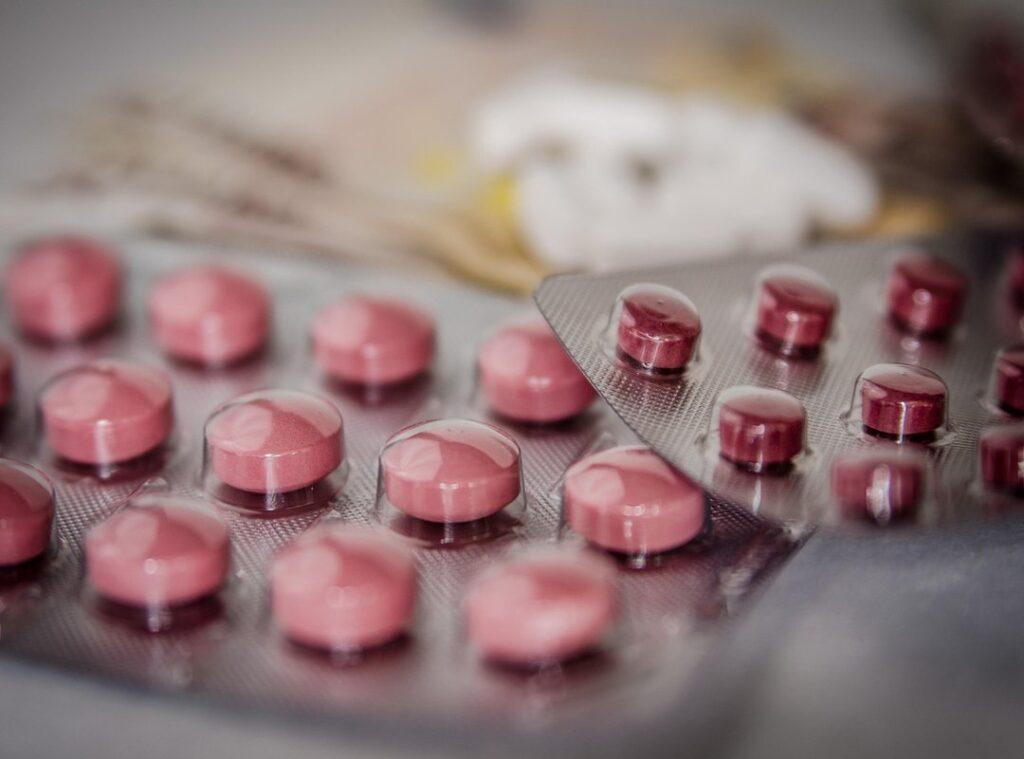
You just got handed a prescription for Shmgmedicine.
And you’re staring at it thinking: What the hell is this? Is it safe? Will it mess with my other meds?
Did the doctor even say the name right?
I’ve seen this exact moment hundreds of times. Someone walks out of an appointment holding a slip of paper, confused and slowly worried.
Because here’s the truth: Shmgmedicine isn’t a real drug name in any FDA database. Not in Micromedex. Not in Epocrates.
Not in UpToDate.
It’s probably a typo. Or an internal code. Or a misheard name from a rushed visit.
That means no one. Not me, not your pharmacist, not Google. Can give you real Health Guidance for Shmgmedicine until you figure out what it actually is.
And that’s dangerous. Skipping that step leads to wrong doses. Missed interactions.
Unnecessary side effects.
I don’t guess. I don’t assume. I don’t hand out blanket advice.
I use verified pharmacologic principles. The same ones hospitals train on. To confirm what the medicine really is, check its evidence base, and map out exactly how it fits (or doesn’t fit) with your body and your other meds.
This article gives you the exact steps to do that yourself.
No jargon. No fluff. Just a clear path from confusion to confidence.
You’ll know how to verify the name. How to spot red flags. How to ask the right questions.
And get straight answers.
This is how you take control of your care. Not tomorrow. Now.
Step 1: Verify What ‘Shmgmedicine’ Actually Is
I’ve seen “Shmgmedicine” typed into pharmacy systems. I’ve seen it scribbled on sticky notes. I’ve seen it cause real delays (and) one near-miss with a renal dose.
It’s not an FDA-approved drug name. It’s not in the Orange Book. It’s not even a standard abbreviation.
So before you click, type, or dispense (stop.)
Shmgmedicine is a red flag until proven otherwise.
Check the prescription label: full drug name, strength, NDC code. If any of those are missing or fuzzy, pause.
Cross-reference with DailyMed or the FDA Orange Book. Not WebMD. Not Reddit.
Not your cousin’s blog.
Ask your pharmacist. And say exactly what you saw: “Shmgmedicine”. No paraphrasing.
No guessing.
If this is for research, search PubMed using clinical trial IDs. Not Google.
Red flags? No NDC. No FDA approval listed.
Only shows up on social media ads or sites ending in .com (not .gov or .edu). That’s not caution. That’s confirmation bias in disguise.
Example: “Shmg” could be a typo for SMX-TMP. That changes everything. Allergy risk, dosing in kidney disease, drug interactions.
You think you’re saving time by skipping this step.
Are you sure?
Always verify the name first.
Step 2: Safety First (But) After You’re Sure It’s the Right
I check the name, strength, and form first. Always. No exceptions.
If you skip that step and jump straight to safety checks? You’re looking up risks for the wrong drug. That’s not careful.
That’s dangerous.
Once I confirm it’s actually Shmgmedicine, I open Lexicomp or Micromedex. Not Google. Not WebMD.
Those two are built for clinicians. Fast, evidence-based, updated daily.
I search for interactions with NSAIDs, warfarin, and St. John’s wort. Why those?
Because people take them without thinking. And they wreck things.
Contraindications aren’t all equal. Absolute means don’t give it. Period.
Pregnancy Category X is absolute. Relative means think harder. Like giving it to someone over 75.
Their kidneys clear drugs slower. So dose matters. A lot.
Liver or kidney function changes everything. Age changes everything. Taking five other meds?
That changes everything too.
There’s no “safe for most people” label that applies to your patient.
Here’s a real comparison: if Shmgmedicine is metformin, GI upset happens in ~20% of users. Lactic acidosis? Less than 1 in 100,000.
That difference matters.
Medication Tips Shmgmedicine only work when you know what you’re holding. And who’s taking it.
Skip the assumptions. Check the label. Then check the data.
Then decide.
Health Info: Where to Look (and Where Not To)
I check drug labels before I trust anything. The FDA Drug Labels are the gold standard. They’re raw, unfiltered, and legally binding.
You can read more about this in Medicine Guide.
Try this search: FDA label [NDC number]. It pulls the exact document the manufacturer submitted. No interpretation.
No fluff.
Next up: NIH MedlinePlus. It’s written for people. Not clinicians.
But it cites every source. Search like this: site:medlineplus.gov [drug name] AND dosage.
You want clinical nuance? Go to ASHP or ISMP guidelines. They tell you how pharmacists actually handle dosing errors or interactions.
Peer-reviewed journals matter. But only if you filter hard.
In PubMed, use: "[drug name]" AND ("clinical trial" OR "review") AND ("2021"[Date - Publication] : "2024"[Date - Publication]).
Skip forums. Skip influencer blogs. Skip random PDFs with no author or date.
They’re noise dressed as insight.
AI summaries? Dangerous. A 2023 JAMA Internal Medicine study found 41% hallucination rates in LLM drug info (no) human review.
Use PubCrawler. It pings you when the FDA drops a new safety alert. That’s how you stay ahead.
Not reactive.
This guide covers all five tiers in plain language, with real search strings and red flags called out.
read more
Step 4: Partner With Your Healthcare Team (The) Right Way

I used to nod along in appointments. Then I got a prescription that made my blood pressure spike. Not cool.
Bring this to your next visit: the verified drug name, exact dose, when you take it, all other meds and supplements (yes, even the fish oil), and three written questions. Example: “Is this safe with my kidney function?” or “What signs mean I should stop immediately?”
Don’t say “Is this okay?” That’s useless. Say: “What are my top two alternatives. And how do their risks compare for my health history?”
If your provider dismisses a concern? Red flag. If they won’t check interactions?
Red flag. If they suggest an off-label use without citing evidence? Big red flag.
Here’s what I say when things feel off:
“I’d like to pause until we verify this matches FDA labeling (can) we check together right now?”
It works. Every time.
You’re not interrupting. You’re staying alive.
I keep a printed list of my meds in my wallet. Saves time. Prevents mistakes.
Medication Tips Shmgmedicine isn’t about memorizing facts. It’s about showing up armed (not) anxious.
Your body. Your call.
Always.
When ‘Shmgmedicine’ Isn’t a Drug At All
I’ve seen “SHMGmedicine” pop up in notes, scripts, and even lab reports.
It’s not always a medication.
Sometimes it’s a clinical trial identifier. Like SHMG-202. That’s not a pill.
It’s a study code.
Go to ClinicalTrials.gov. Search that exact string. You’ll find inclusion criteria, phase, sponsor, and whether it’s even recruiting.
Phase I means safety testing in healthy volunteers. Not treatment. Not for you.
Other times? A compounded formula from a small pharmacy. No FDA batch testing.
No standardization. Same name, different potency. Different fillers.
Different risks.
Or it’s an international brand. Approved in Germany or Japan, but not here. Inactive ingredients can vary.
Absorption changes. Side effects shift.
“Not FDA-approved” doesn’t mean “dangerous.”
But it does mean your general practitioner might not know the first thing about it.
You need someone who’s used it. Studied it. Ordered the right labs.
That’s why I keep a running list of context clues (trial) codes, pharmacy stamps, foreign packaging photos. It saves time. And prevents mistakes.
For more on how to spot these fast: Medication advice shmgmedicine
Medication Tips Shmgmedicine only works if you know what “SHMG” actually stands for.
Verify Your Medicine. Now.
I’ve seen what happens when someone skips this step. A name looks right. But it’s not.
That uncertainty isn’t just annoying. It’s dangerous.
You now know the 4-step system: confirm identity → assess safety → consult trusted sources → collaborate with your team. No jargon. No fluff.
Just four actions that cut through the noise.
Medication Tips Shmgmedicine gives you the exact tools to do it. Fast and free.
Your prescription label is sitting there. Right now. Take a photo of it.
Then run one verification step (like) searching FDA DailyMed with the full name. Do it within the next 24 hours.
Because your health isn’t defined by a name. It’s protected by your vigilance. And the right questions.
Go take that photo.