Why Alternating Temperature Works Fast
Cold and heat do very different things to your body, and used right, they work together like a reset button for sore muscles.
Cold therapy ice baths, packs, or quick plunges shuts things down. It constricts blood vessels, which slows blood flow to the area and helps reduce swelling and inflammation. That’s key right after intense exercise or injury, when your muscles are puffy and tender.
Heat has the opposite effect. It opens up blood flow, letting fresh, oxygen rich blood flood the area. That added circulation helps relax stiff muscles and flush out waste products. Heat is best used when the acute phase of soreness has passed and you’re trying to regain range of motion or ease chronic tightness.
Used in tandem, cold and heat speed up recovery by creating a pump effect constricting, then releasing moving oxygen and nutrients where they’re needed and helping your body clear out the junk (like lactic acid and cellular debris).
Use cold in the first few hours after a tough workout or minor injury. Switch to heat a day or two later when the swelling’s down, and you’re stiff or just need to loosen things up. Get the timing right, and the combo unlocks momentum in both performance and healing.
Proven Hacks for Faster Muscle Recovery
Contrast therapy is simple, but powerful. Go cold to reduce inflammation. Go warm to bring in blood flow and oxygen. Cycle between the two, usually starting with cold and ending with heat, for 10 20 minutes total. Think of it like flushing the system: cold squeezes things tight, heat opens them back up, and the switch helps shunt waste out while pulling nutrients in.
The sweet spot to start? Roughly 4 to 6 hours after a heavy workout. Jump in too early and you might slow down the inflammation cascade that actually aids muscle growth. Wait too long and your tissues start settling in with tension and toxins.
At home, you don’t need fancy gear to make it work. Ice packs and a heating pad can get the job done. For a more immersive experience, cold plunges and infrared saunas if you have access can go deeper. The key is duration and consistency, not price.
Pro tip: not every sore zone needs everything. For sharp, acute pain, stay with cold. For stiffness or dull soreness, lean on heat. For combo pain, go back and forth. You’re not just hitting muscles you’re training your recovery system to move faster and smarter.
Read this key guide on cold and heat recovery
Leveraging Cold/Heat for Daily Energy Boosts
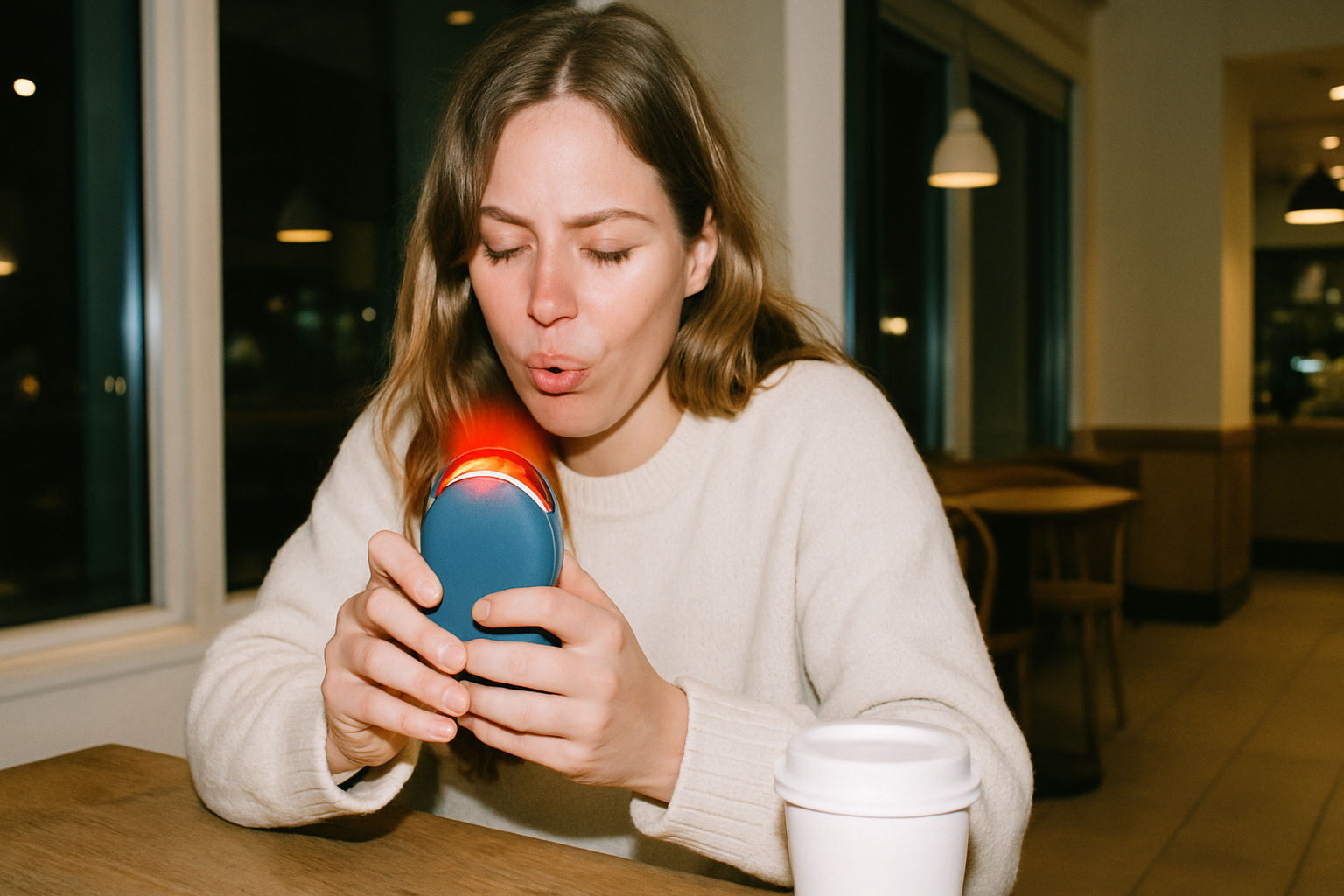
Cold in the morning. Heat at night. That’s the rhythm a lot of high performers are dialing into right now and it works.
Start with a cold plunge or even a fast cold shower first thing in the morning. The sudden drop in temperature jolts your nervous system, kickstarts circulation, and flushes out lingering grogginess. Think of it as a natural shot of espresso, minus the crash. Two to three minutes is enough. Any longer and you drift from alert into stress response territory.
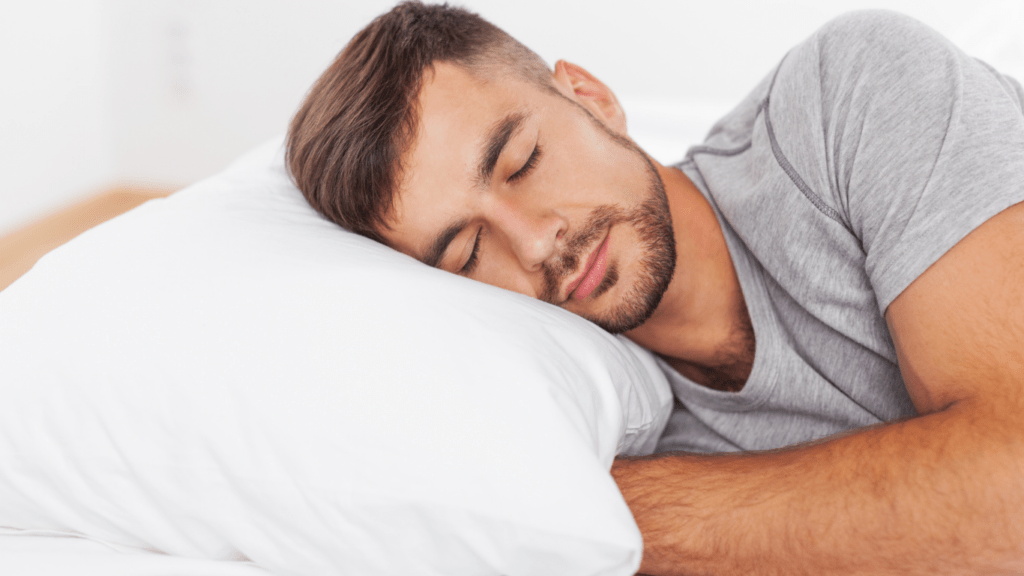
Evening is for slowing down. A short session in a sauna, hot bath, or under a heating pad relaxes muscles and lowers cortisol. Warming the body preps it for deeper sleep and cuts down on restlessness. It’s especially good after late workouts or long days hunched over.
For the mid day crash, short energy resets can do the trick. You don’t need a plunge pool in your office just splash cold water on your face, use a cool compress behind the neck, or step outside for five minutes of crisp air. Tiny thermal shocks can wake your brain up without overloading your system.
That said, don’t go overboard. Cold and heat therapy are tools not crutches. Daily use is fine if you’re cycling intelligently. Skip the back to back extremes, give your body recovery time, and pay attention to how you feel after each session. More isn’t better. Smarter is.
Common Mistakes That Slow Recovery
Cold and heat therapy can work wonders if used right. A lot of people rush in and end up slowing progress instead of speeding it up.
First up: using heat too soon after an acute injury. It might feel comforting, but early heat can actually increase inflammation. In the first 24 to 48 hours of a fresh strain, sprain, or bruise, stick with cold. It calms the swelling and helps limit tissue damage.
Then there’s skipping cold therapy after intense workouts. That post lift soreness? It’s often inflammation doing its thing. Cold exposure ice baths, cryo, or even just cold showers can help cut that response and keep the recovery train on track.
Hydration also gets overlooked. Cold and heat exposure both stress the body, even if you don’t feel it in real time. If you’re not rehydrating right after, you’re asking for brain fog, muscle tightness, and delayed healing.
And let’s talk temperature extremes. More isn’t always better. Scorching heat or freezing for too long can shock the system into stress mode. Gentler, consistent cycles tend to deliver better results without taxing your nervous system.
Bottom line precision matters. Be smart with timing, balance, and listen to your body. That’s how recovery gets faster, not harder.
Dig deeper into optimizing your cold and heat recovery routine
Simple Protocols You Can Start Now
You don’t need a mountain of gear or a dedicated spa day to feel the reboot. These go to routines stack efficiency with results good for active recovery, mental reset, or just undoing too much desk time.
15 Minute Contrast Routine for Sore Legs
Fill two tubs or buckets one with cold water (add ice if you’re bold), one with hot (not scalding). Sit with legs submerged in cold for 2 minutes, then switch to hot for 3. Repeat three times. Wrap up with a brief light stretch. Feels brutal at first, amazing after.
10 Minute Steam + Stretch for Stiffness
Hop in a steam shower or sauna for 5 minutes. Bring a sweat towel. Once muscles feel warm and pliable, step out and move through a 5 minute mobility sequence think hamstring folds, hip circles, and shoulder rolls. Loosens up everything without force.
5 Minute Ice Neck Wrap for Energy and Alertness
Toss a damp towel in the freezer for 20 minutes. Wrap it around your neck with slight pressure for 3 to 5 minutes while standing or pacing. The sudden cold stimulates norepinephrine a natural boost in focus and energy. Coffee, but sharper.
Stacking with Other Recovery Tools
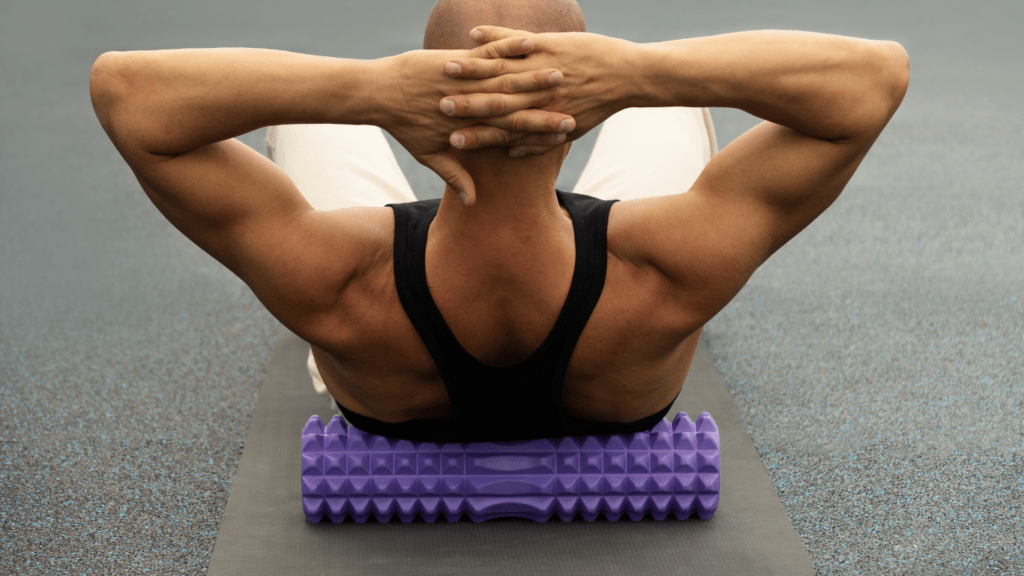
Want to level up? Combine heat therapy with breathwork (like box breathing or Wim Hof), or follow up cold exposure with 5 minutes of compression sleeves to reduce inflammation. Light movement afterward seals the deal think walking, bouncing on your toes, or foam rolling. This isn’t about crushing yourself it’s about unlocking smarter recovery with simple tools.
Recovery isn’t just about doing less. It’s about doing things that work. Reminder: cold and heat are tools. Use them with intent.