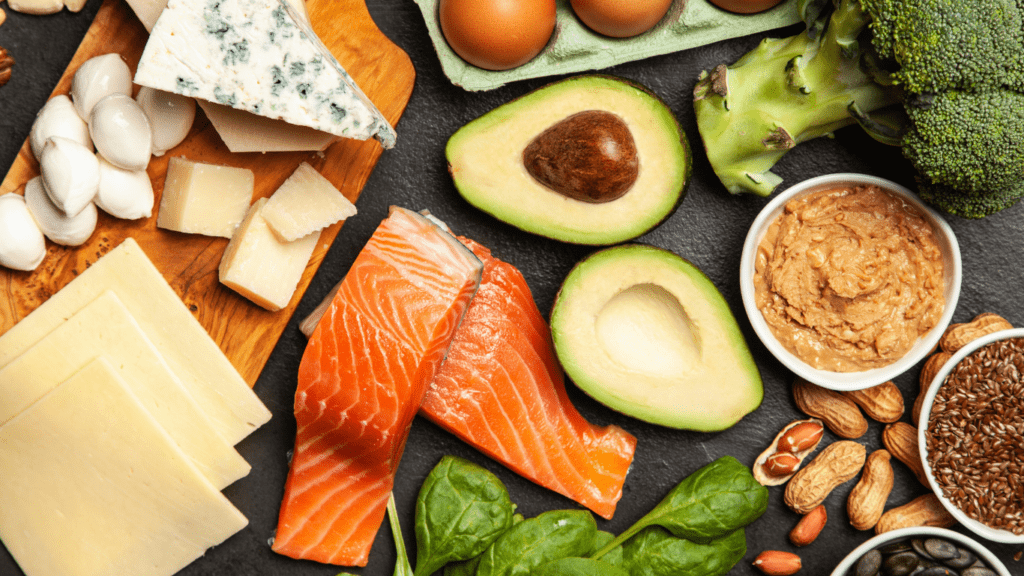

What Nutrient Timing Really Means
Nutrient timing is simple: it’s not just what you eat, but when you eat it. The idea is that your body responds differently to food depending on the time of day, your activity level, and your internal rhythms. If your goal is better energy, sharper thinking, and faster recovery, timing matters.
Eating at the wrong time say, loading up on carbs late at night or skipping protein post workout can blunt performance. On the flip side, placing the right nutrients around key moments (like a workout or mentally demanding task) helps you stay on point.
Here’s the deeper truth: our bodies evolved to thrive on cyclical patterns. Pre electricity, meal timing followed sunlight. Now, biohackers are syncing food intake with circadian biology to work with that natural rhythm, not against it. The rules aren’t rigid, but the benefits of paying attention to timing show up fast in your energy, focus, and how fast you bounce back after stress or training.
Morning Fuel: Front Load for Focus
The first hours after waking are critical for setting the tone of your entire day. For biohackers, energy and mental clarity aren’t optional they’re strategic goals. What you eat (or don’t eat) in that window can either support or sabotage your cognitive performance.
Why Front Loading Protein and Healthy Fats Works
Starting your day with a meal rich in clean protein and healthy fats helps:
Kickstart metabolism without spiking blood sugar
Prevent mid morning crashes by promoting sustained energy
Activate neurotransmitters that support focus and motivation (like dopamine and acetylcholine)
Examples of smart morning choices:
Pasture raised eggs with avocado
Collagen protein coffee with MCT oil
Grass fed beef sausage with sautéed greens
Stable Blood Sugar Means Sharper Thinking
Skipping breakfast or eating sugar laden meals increases blood glucose volatility, which can lead to:
Foggy thinking or mood swings by late morning
Elevated stress responses from cortisol spikes
Sluggish performance during early day training or work blocks
Aim for meals that keep insulin low and mental energy high. Prioritize:
Protein (20 30g minimum)
Fats with cognitive benefits: omega 3s, MCTs, or extra virgin olive oil
Best Pre Workout Nutrients for Fasted Training Sessions
Prefer to train fasted in the morning? You can still prime your system with light but powerful inputs that won’t break your fast:
BCAAs or EAAs: Prevent muscle breakdown and boost performance
Caffeine: Enhances focus and fat oxidation, best taken ~30 min before training
Creatine and beta alanine: May improve endurance if taken consistently
If your fast is flexible, a small protein and fat snack like a boiled egg or MCT rich drink can boost performance without spiking insulin.
Hydration Starts Within the First Hour
Your body loses water, minerals, and electrolytes overnight. Rehydrating early supports metabolic function, reduces brain fog, and helps maximize nutrient absorption from your first meal.
Hydration routine to consider:
16 24 oz of filtered water
Add a pinch of sea salt or an electrolyte mix
Optional: squeeze of lemon or splash of apple cider vinegar for digestion
Starting strong isn’t just about what you eat it’s about structuring the morning with intention. The right nutrients, combined with early hydration, can supercharge your mental and physical output before noon.
Midday Nutrition: Maintain or Crash

The 2 PM slump is real. Most people crash because they overload on carbs at lunch or time them wrong altogether. Carbs aren’t the enemy they’re fuel. But timing is critical. Front load carbs earlier in the day if you’re highly active in the morning, or stick to complex carbs with high fiber if you’re desk bound. Think: quinoa, lentils, or a slice of sprouted grain bread not a giant plate of pasta.
A smart lunch keeps your blood sugar steady and your brain online. Focus on lean protein (think grilled chicken, tempeh, or boiled eggs), healthy fats (avocado, olive oil), and slow burning carbs. Keep portions controlled. Overeating even good stuff can tank focus and spike fatigue.
Micronutrients also pull more weight than most think. Magnesium helps brain function and muscle relaxation. B vitamins support energy production at the cellular level. Even vitamin C plays a role in offsetting stress induced fatigue. If you rely on caffeine to power through afternoons, check whether it’s your nutrient game that’s falling short.
Better meal timing doesn’t just help you dodge the crash it sustains mental stamina, especially when paired with smart food choices. For more on syncing your meals with your body’s natural rhythm, check out this deep dive on meal timing and hormonal balance.
Evening Strategy: Repair and Recharge
Your evening meal plays a bigger role in your recovery than most people realize. Done right, it primes your body for deep sleep, hormone production, and tissue repair. Timing matters. Eat too late, and you disrupt your circadian rhythm. Eat too early, and you might wake up at 3 a.m. hungry and alert. The sweet spot is to finish your last meal 2 3 hours before bed enough time to begin digestion without spiking nighttime cortisol.
Yes, carbs at night can actually help. Contrary to old school myths, a moderate dose of quality carbs in the evening can increase tryptophan transport, support serotonin production, and help you fall asleep faster. Think sweet potatoes, quinoa, or a small bowl of oats not a junk food binge.
This is also your window for recovery supporting nutrients. Magnesium helps relax the nervous system. Collagen and protein provide the amino acids your body uses for muscle repair and joint health while you sleep. A basic evening stack might include: herbal magnesium powder in warm water, a scoop of collagen in tea or bone broth, and a protein rich meal like salmon and greens with a small carb side.
Treat dinner as your recovery phase, not just the end of the day. It’s not about eating less it’s about eating smarter.
Nuance for Performance Driven Biohackers
Not all bodies operate the same and not all days require the same fueling tactics. Once you’ve mastered the basics of nutrient timing, it’s time to fine tune your strategy for different stress loads, goals, and routines. This is where biohacking becomes personal.
Adjusting for Training Days vs. Rest Days
If you’re training regularly, nutrient timing plays a crucial role in recovery, muscle growth, and sustained energy. Here’s how to shift your intake based on your activity level:
On training days:
Pre workout: Light but energizing nutrients (e.g., amino acids, fruit, or MCT oil)
Post workout: Prioritize protein and fast digesting carbs within 60 minutes
Throughout the day: Maintain hydration, include antioxidant rich foods for recovery support
On rest days:
Lower carbs, focus more on fats and fiber
Keep protein consistent to support ongoing muscle maintenance
Emphasize micronutrients to assist with repair
Intermittent Fasting: Power Tool or Pitfall?
Intermittent fasting remains popular in the biohacking world but it’s not universally beneficial.
Potential benefits:
Improved insulin sensitivity
Cognitive clarity during fasting windows
Digestive efficiency and cellular repair (via autophagy)
Possible drawbacks for performance:
Under fueling high output days
Impaired recovery if post training fueling is delayed too long
Ultimately, intermittent fasting can work but timing around your physical demands is key.
There Is No Perfect Timing Only What Works for You
Your body is a feedback machine. Use it.
Test different timing windows over 2 4 week cycles
Track energy dips, training recovery, and mental clarity
Use wearables or journaling to spot patterns
The more data you gather, the more personalized and effective your timing strategy becomes.
Related: Meal Timing for Hormonal Balance and Energy
Quick Timing Blueprint: Your Daily Cycle
Early AM: First thing hydrate. Get 12 20 oz of water in before anything else. Add in a pinch of salt or a squeeze of lemon if you’re serious. Then, light fuel: MCT oil, electrolytes, maybe a few aminos. Quick, clean energy without spiking insulin. Your brain gets what it needs without dragging your system down.
Breakfast to Lunch: This is your protein window. Eggs, grass fed meat, collagen in your coffee whatever works, but anchor it with protein. Add smart fats like avocado, nuts, or olive oil. Skip the sugary carbs. Stable blood sugar = focus. And it keeps hunger at arm’s length till your next refuel.
Afternoon: Don’t crash. This is where most people blow it. Go light. Think greens, lean protein, maybe a slow carb if training. But avoid hits of sugar or refined stuff. You’re setting the tone for dopamine levels and energy the rest of the day. Keep it clean, keep it light.
Evening: Now’s the time to refuel and recover. Nutrient rich foods like sweet potatoes, dark leafy greens, wild caught fish. Carbs aren’t evil they can actually help signal your body it’s time to wind down. Add foods that support deep rest: magnesium rich spinach, glycine from bone broth, or a scoop of collagen before bed.
Stay disciplined with your timing, and your energy stops crashing. Peak performance isn’t magic it’s meal scheduling with purpose.