
Cutting Edge Cellular Repair Tech
In 2026, biohackers and biotech labs are closing in on cellular aging like never before. We’re not talking about vague longevity promises we’re talking targeted, nano level action. New nanocarriers are now delivering payloads that target damaged cells with near surgical precision. These molecular interventions don’t just slow cell degradation they trigger repair mechanisms or sweep out what can’t be fixed. In plain terms: your cells are getting maintenance crews at the microscopic level.
The real headline, though, is what’s happening with senescent cells. These are the biological dead weight cells that have stopped dividing but won’t die quietly. This year saw a leap in senolytic therapies. Several pharmaceutical grade compounds are now able to selectively annihilate these cells in human tissues, with early clinical data showing better inflammation markers, skin elasticity, and even muscle regeneration in older adults.
CRISPR isn’t sitting still either. The latest generation of gene editing tools can now toggle specific genetic switches controlling age related disease expression. Teams are using prime editing a CRISPR variant to correct single nucleotide polymorphisms that impact everything from Alzheimer’s to type II diabetes risk. The takeaway? Future you might grow old, but your cells won’t throw in the towel so quickly.
The science is getting sharper, more focused, and unapologetically ambitious. Longevity in 2026 isn’t just a longer life it’s a shot at a healthier one, coded at the molecular level.
Personalized Longevity Protocols
Staying healthy through sheer guesswork is done. 2026 is the year where your metrics talk, and your routines listen. With next gen wearables tracking everything from glucose and cortisol to HRV in real time, the gap between your biology and your health strategy is closing fast. These aren’t just fitness trackers they’re full spectrum health meters.
Pair that with AI driven coaching that reads your DNA like a manual, and you’re handed daily protocols tuned to you, not the average person. Sleep cycles, micronutrient needs, even the best time of day for mental focus it’s all on the table. The algorithms don’t guess. They adapt.
Mitochondrial resilience is the new frontier in supplementation. More biohackers are zeroing in on what powers the cell, not just what fuels the body. Think NAD+ boosters, precision CoQ10 stacks, and niche adaptogens all dosed based on blood markers, not popularity.
It’s not about doing more. It’s about doing exactly what your body needs, when it needs it.
Explore more on recent innovations here
Advances in Brain Optimization
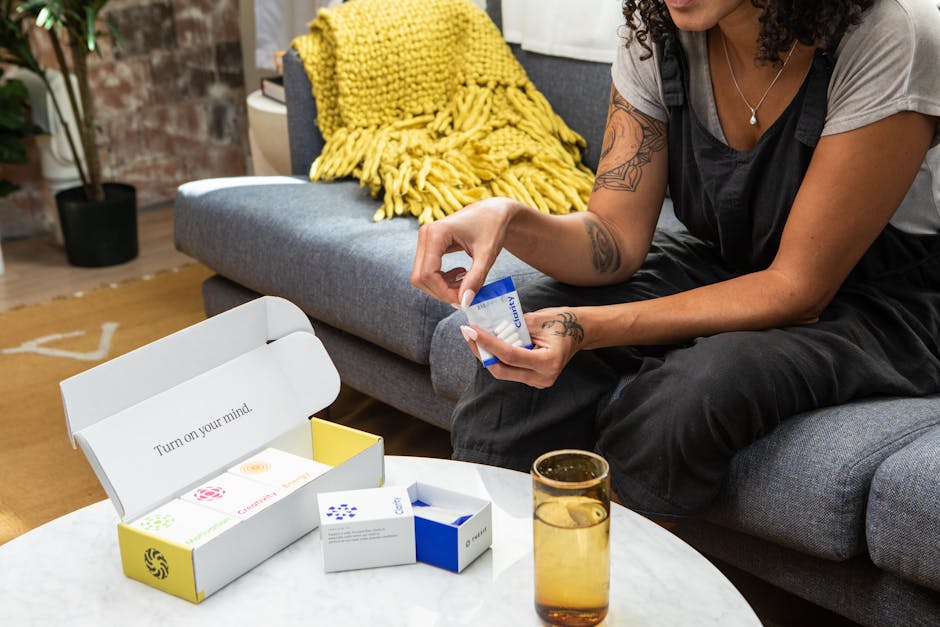
The future of cognitive longevity is here. As biohacking continues to evolve, 2026 brings major innovations in neurotechnology and data backed cognitive enhancement. Brain health is no longer just about mental exercises it’s about targeted, programmable interventions that boost neurofunction now and preserve it long term.
Neuroplasticity Tech: Rewiring the Brain with Precision
Cutting edge tools are reshaping how we think about brain training:
Transcranial Stimulation Devices: Non invasive stimulation is being used to enhance memory, focus, and decision making by targeting key neural circuits.
EEG Guided Training Protocols: Real time brainwave monitoring now allows users to train specific cognitive states, such as deep concentration or emotional regulation.
Neuroadaptive Feedback Loops: AI learns from your brain signals to customize ongoing sessions, ensuring continual improvement.
Evidence Based Cognitive Enhancement Stacks
Beyond nootropics, the rise of clinically validated cognitive stacks in 2026 is transforming how longevity seekers support brain performance:
Formulations are now based on double blind trials, ensuring measurable benefits in areas like attention span, sleep optimization, neuroprotection, and mood stability.
Stacks are increasingly personalized, using individual genomics and biomarker panels to tailor formulas to each user.
Popular ingredients include: citicoline, uridine monophosphate, adaptogens, and bioavailable B vitamins.
Lifestyle Programming for Long Term Cognitive Health
Optimizing brain function isn’t just about what you take it’s about how you live. Longevity first cognitive routines include:
Circadian Aligned Sleep Protocols: Precision sleep tracking ensures optimal brain detox and memory consolidation.
Dopamine Management Practices: Reducing digital overstimulation while increasing natural dopaminergic tone through practices like meditation, movement, and purposeful goal setting.
Neuroprotective Nutrition: Diets rich in polyphenols, omega 3s, and low glycemic foods support ongoing brain resilience.
Biohackers in 2026 are embracing the concept of cognitive design intentionally shaping how their brains function using data, technology, and long view habits. The goal isn’t peak performance at all times it’s sustainable clarity, flexibility, and neurohealth that lasts for decades.
Hormetic Training & Biological Resilience
In 2026, cold and heat stress therapies have evolved from fringe hacks to precision protocols. Cryotherapy chambers aren’t just freezing your skin anymore they’re now calibrated by biofeedback in real time. Infrared heat therapy has gone deep tech too, fine tuned to trigger protein activation and stimulate mitochondria repair when the body needs it most, not just when it feels convenient.
The principle stays simple: brief, controlled environmental stress wakes up the body’s repair systems. What’s changed is how those stressors are delivered and measured. Cold plunges aren’t just about grit. They’re about hitting the right temperature threshold for the right duration based on your biomarkers. Same goes for heat. It’s no longer about spending 30 minutes in a sauna for the sake of detox it’s about controlled heat stress that enhances cellular renewal without tipping into exhaustion.
Biotracking is the safety net. Continuous monitoring of heart rate variability, cortisol levels, sleep cycles, and inflammation markers help biohackers gauge when to push and when to back off. The biggest mistake in the past was overdoing it burnout disguised as resilience. Now, it’s data driven stress exposure that adapts to your recovery curve. The result? A smarter, safer path to cellular renewal.
Community Driven Longevity Protocols
A future of human longevity isn’t being shaped in labs alone it’s happening in real time through collective experimentation and information sharing. 2026 marks an era where communities are actively contributing to breakthroughs that were once exclusive to elite institutions.
Global Shared Data Platforms
Citizen biohackers and longevity enthusiasts are joining forces via global data sharing platforms. These networks allow individuals to input and track their health metrics, protocols, and outcomes creating living databases for insights.
Peer led data contributions accelerate discovery
Pattern recognition across demographics offers faster validation of techniques
Decentralized data reduces reliance on slow moving institutional research
Crowd Validated Practices
Biohacking communities are evolving beyond forums and social feeds into structured knowledge networks. Shared protocols, outcome reviews, and tracked follow ups give rise to practices that can be collectively tested and improved.
Community led trials help validate new supplements and therapies
Continuous feedback loops create adaptable protocols
Transparency encourages ethical experimentation
Open Source Biology and Accessible Innovation
The rise of open source biology platforms has blurred the line between amateur and expert. In 2026, you don’t need a PhD or a million dollar lab to contribute meaningfully to aging science.
Open access tools and kits democratize experimentation
Online collaborations foster global innovation teams
Crowd sourced upgrades to wearables, biomarker assays, and longevity apps
More breakthroughs from 2025 that set the stage
What’s Next in Human Lifespan Expansion
2026 isn’t about buzz anymore it’s about results. Several pharma startups and research institutions have moved the first human trials for biological age reversal drugs out of animal testing and into early stage trials with human volunteers. The compounds target cellular aging markers shortened telomeres, degraded mitochondria, senescent cells and attempt to repair or reboot them. It’s not immortality. But it’s clear: slowing down aging is no longer science fiction.
Enter quantum computing. These machines aren’t just theoretical flex they’re crunching massive biological datasets to simulate how aging pathways interact at the molecular level. The goal isn’t just finding one miracle drug. It’s building complex models that can predict how combinations of therapies might extend healthspan, not just lifespan.
Still, with breakthroughs come tough questions. Who gets access? What are the long term societal implications of radically extended life? In 2026, we’re standing on the edge of a new ethical frontier. If tech can help us age slower or not at all who decides what aging even means anymore? The science is accelerating. Now comes the hard part: making sure it still serves something human.